Best Red Light Therapy Bulbs for Home Use: Top Picks for Skin, Pain & DIY Setups
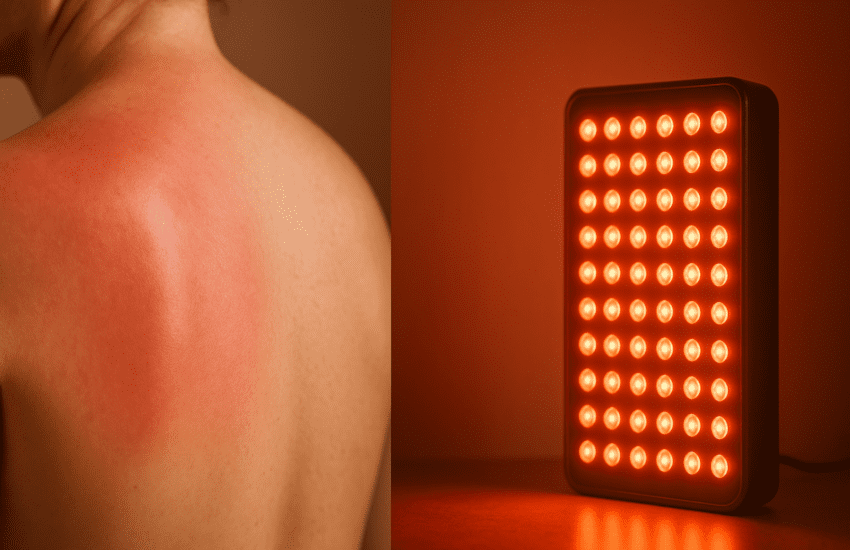
Red light therapy has shifted from pricey spa treatments to affordable, at-home solutions—and red light therapy bulbs are leading the way.
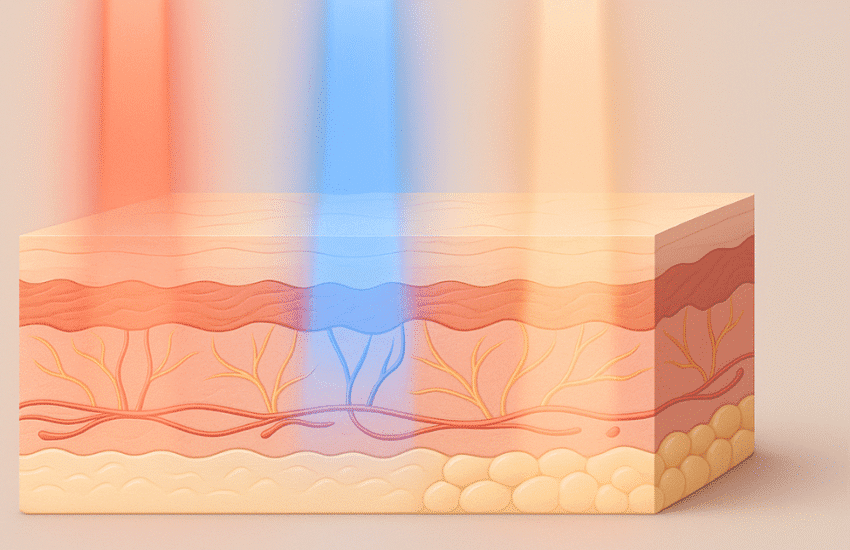
These compact bulbs offer the same therapeutic wavelengths (630–660nm red and 810–850nm near-infrared) used in professional devices, but at a fraction of the cost. Unlike bulky panels that lock you into one position, bulbs let you build custom setups to target specific areas—whether it’s for skin, muscle aches, or overall wellness.
In this guide, we’ll compare the best red light therapy bulbs for home use based on different goals and budgets.
Top 5 Red Light Therapy Bulbs for Home Use
| Product | Wavelengths | Wattage | Best For |
|---|---|---|---|
| Hooga Red/NIR Bulbs | 660nm + 850nm | 36W | Full-body therapy with low EMF and flicker-free performance |
| Wolezek Red Light Therapy Bulb | 660nm + 850nm | 36W | Balanced skin & joint therapy for daily use |
| ABI LED Light Bulb for Red Light Therapy | 660nm + 850nm | 14W | Beginners easing into red light therapy |
| PDGROW Red Light Therapy Bulb | 660nm + 850nm | 48W | Face, neck, and focused spot treatment |
| Minsily Sxminer Red Light Therapy Bulb | 660nm + 850nm | 54W | Focused 30° beam with 18 LEDs for targeted sessions |
Disclosure: As an Amazon Associate we may earn a small commission on qualifying purchases at no extra cost to you.
1. Best Performance – Hooga HG24 Red Light Therapy
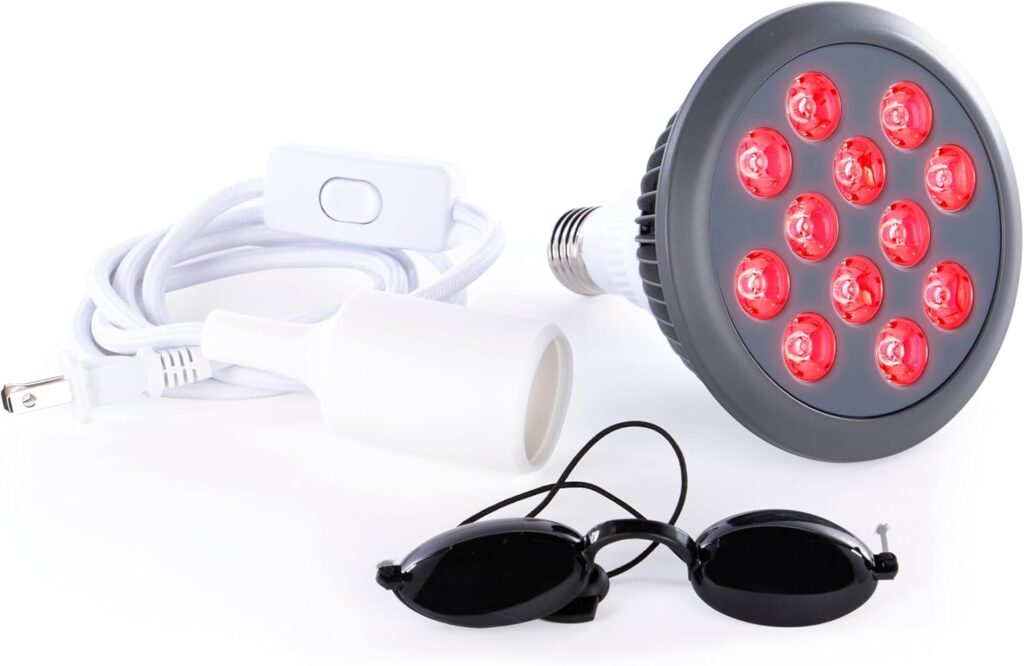
The Hooga HG24 packs both 660nm red light and 850nm near-infrared into a handheld device that puts out 120 mW/cm² of power. It comes with everything you need – the bulb, power cord, base, and socket – so you can start using it right away.
Pros:
- Delivers 120 mW/cm² power output at surface, 85 mW/cm² at 6 inches
- Combines red light for skin and near-infrared for deeper tissue work
- Complete kit includes power cord, base, and socket—no extra purchases needed
- Weighs under 2 pounds for easy positioning and storage
- One-year warranty with 30-day money-back guarantee
- Made by Wisconsin-based small business
Cons:
- Smaller treatment area requires multiple positions for larger body areas
- Higher upfront cost compared to basic bulb options
- Sessions take longer than full-panel systems for whole-body treatment
This dual wavelength red light bulb design is popular for compact home setups where you want both 660nm and 850nm for home use without taking up much space.
2. Best for Skin & Joints – Wolezek Red Light Therapy Bulb
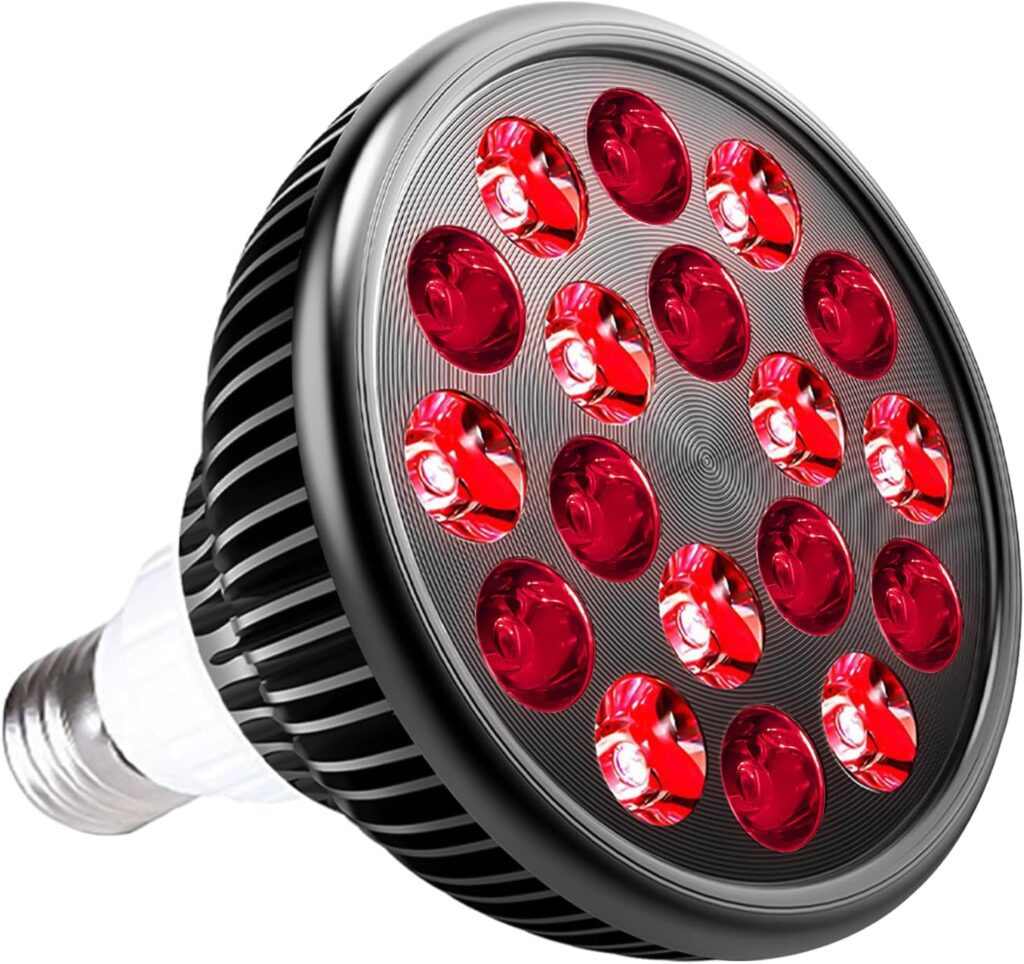
The Wolezek bulb has 18 LEDs split evenly between 660nm red light and 850nm near-infrared, giving you both wavelengths in one bulb. The optical lenses focus the light to 141 mW/cm² across a wide 60-degree area.
Pros:
- 18 LEDs split evenly between 660nm and 850nm wavelengths
- 141 mW/cm² irradiance with 60-degree beam angle
- Low EMF emissions (<0.4uT at 0cm)
- Universal voltage (100-240V) compatibility
- Standard E26/E27 socket compatibility Includes optical lens design for light focusing
Cons:
- Heavy at 1.2 pounds – not suitable for lightweight clamp lamps
- Only 9 LEDs appear illuminated (850nm infrared is invisible)
- Requires sturdy fixture due to weight
This LED bulb for wellness routines combines red light for skin and joint support in one device, making it easy pick when you want something compact that can target skin and sore joints.
3. Best Starter Option – ABI LED Light Bulb for Red Light Therapy
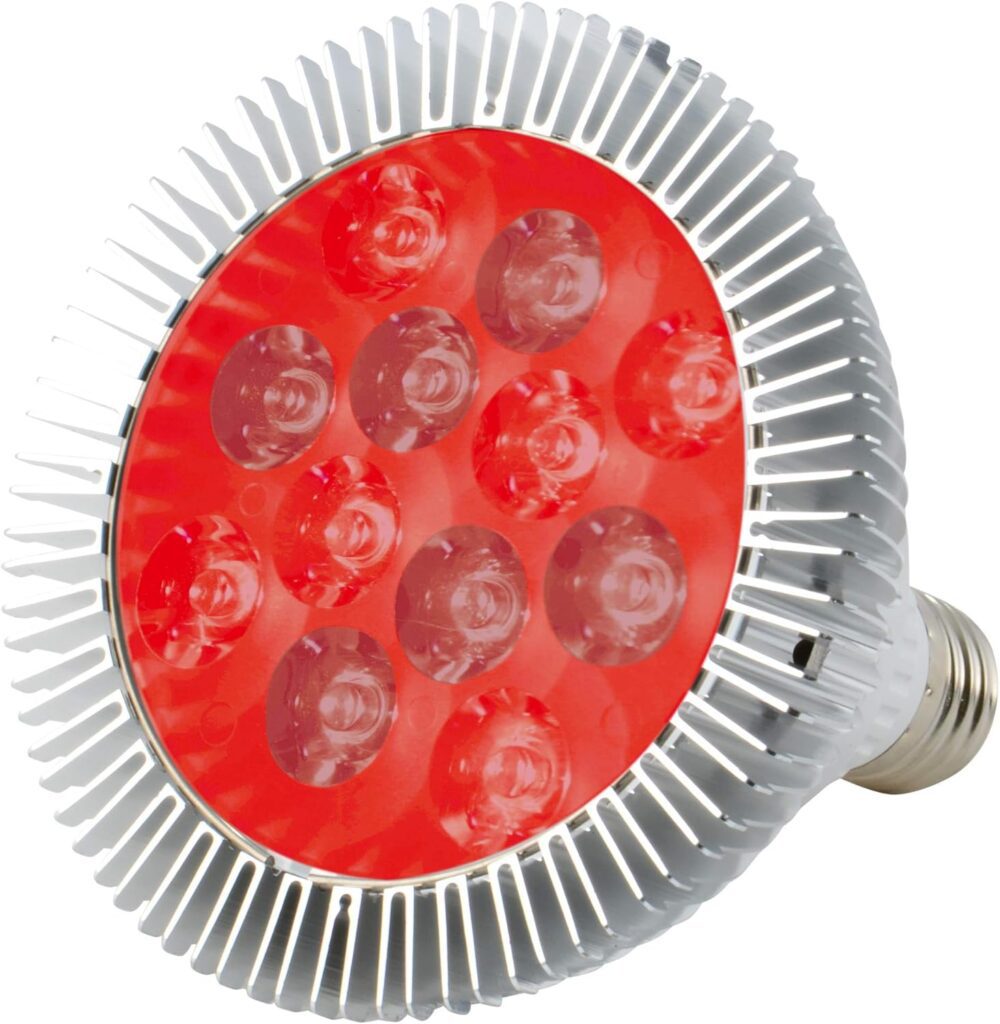
The ABI bulb splits 12 LEDs between 660nm red light and 850nm near-infrared, delivering 53.8 mW/cm² at 6 inches. This 24W class bulb (14W actual draw) screws into standard household sockets and includes both wavelengths in one unit.
Pros:
- Dual wavelength design (6 red + 6 NIR LEDs) for surface and deep tissue use
- 53.8 mW/cm² irradiance at 6 inches, 27.8 mW/cm² at 12 inches
- 50,000+ hour rated lifespan with 3-year manufacturer warranty
- Assembled in USA with universal voltage (100-240V)
- Standard E26 socket fits most household fixtures
- 30-degree beam angle for focused coverage
Cons:
- Lower power output than higher-wattage options
- Heavy at 11.7 ounces—requires sturdy fixture
- Smaller coverage area requires repositioning for larger body parts
- Gets warm during use—needs adequate ventilation
Combo wavelength bulbs like this work well for first-time setups where you want to test both red light and near-infrared benefits without committing to separate devices or larger panels.
4. Best Plug-and-Play Kit – PDGROW Red Light Therapy Bulb
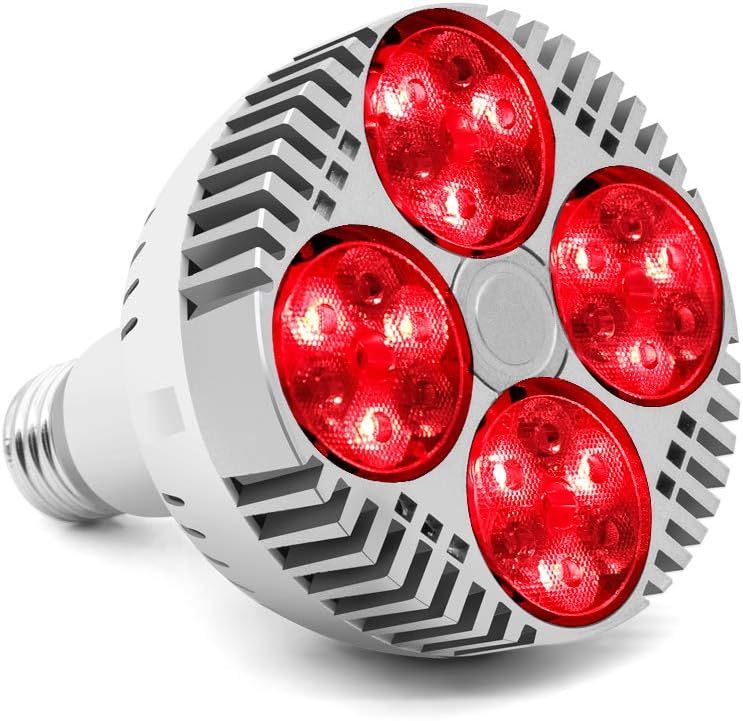
The PDGROW bulb uses 24 LEDs split between 660nm red and 850nm near-infrared with a narrow 25-degree lens. It comes as a starter kit with a lamp holder/socket + cord + switch, so you can start using it without sourcing a separate socket first.
Pros:
- Complete setup out of the box (socket, cord, switch included)
- Narrow 25-degree beam is more focused than wide-flood bulbs
- Built-in heat sink for better heat dissipation
- Delivers > 80 mW/cm² at 6 inches
- Lighter than most dual-wavelength bulbs at under 9 ounces
- Works worldwide with 100-240V compatibility
Cons:
- Switch sits near the wall plug instead of at the socket
- Plastic hanger attachment may break easily under pressure
- Shorter approximately 5-foot cord limits placement options
The narrow beam and included hardware make this easy to use. Just set it up once at the right distance without the need for clamp lamps or makeshift stands.
5. Best for Focused Targeting – Minsily Sxminer Red Light Therapy Bulb
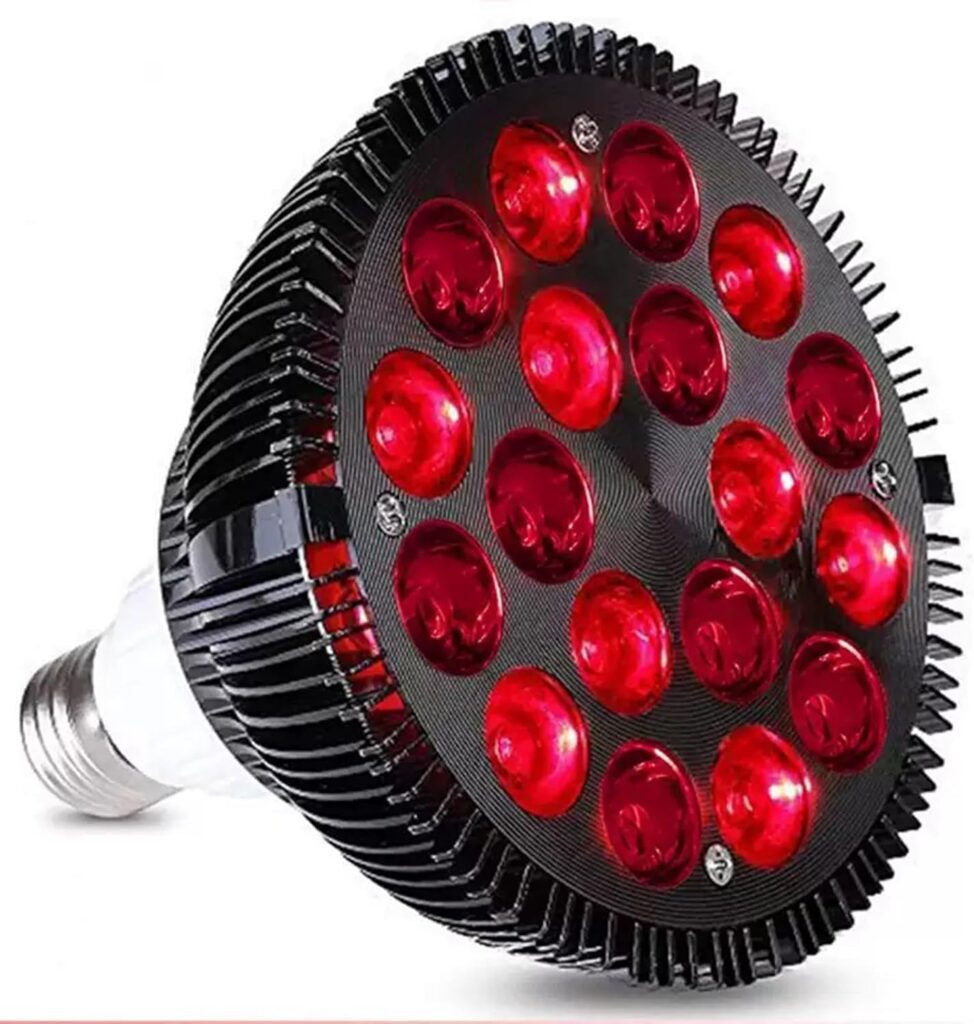
The Sxminer is a PAR38 screw-in therapy bulb that combines 660nm red + 850nm near-infrared across 18 LEDs. Unlike wide-flood bulbs, it uses a 30-degree lens making it a more concentrated, targeted option for knees, elbows, shoulders and smaller zones.
Pros:
- Dual 660nm + 850nm for skin and deeper muscle/joint use.
- 30° lens concentrates light for targeted areas like knees and elbows.
- Standard E26/E27 base fits most sturdy lamps..
- 54W max draw for stronger output than entry bulbs.
- 50,000-hour rating plus a 2-year warranty.
Cons:
- Focused beam means you’ll need more repositioning for back/legs
- Heavier PAR38 design requires sturdy fixture
- May require closer positioning for targeted treatment
- No mounting hardware included
This bulb uses a more focused beam (30° lens), so it’s better for targeted areas like knees, elbows, shoulders, or one section of the back, but you’ll need to reposition more often if you’re trying to cover larger areas like legs or full back.
How to Use Red Light Bulbs at Home
To get the most out of your red light therapy sessions, follow these guidelines:
Optimal Distance from Skin
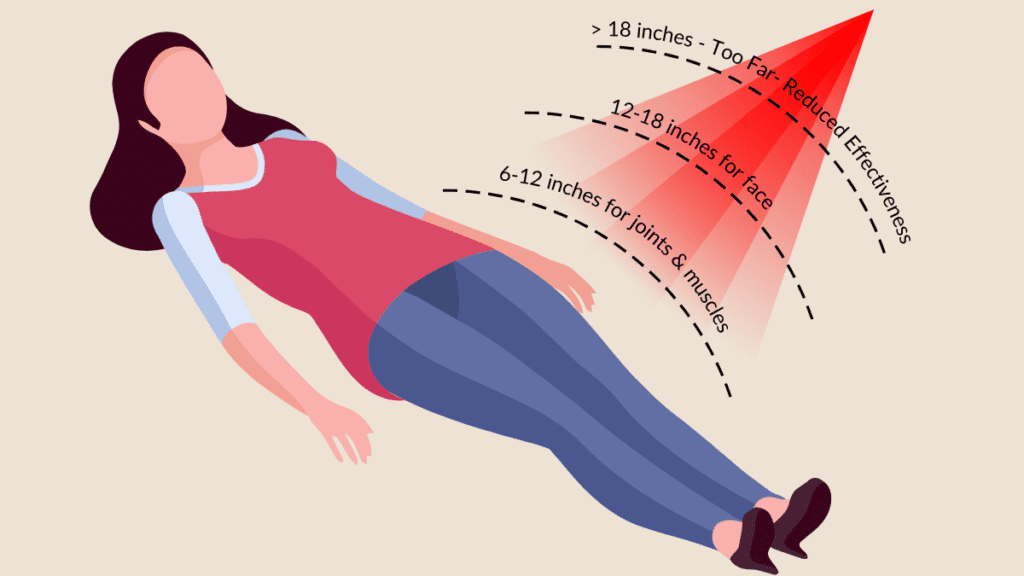
For best results, position your red light therapy bulb 6 to 12 inches from your skin. This range works well for treating joints and muscles.
For facial areas, increase the distance slightly to 12 to 18 inches due to greater sensitivity. Avoid placing the bulb closer than 6 inches, as it may cause overheating, and further than 18 inches, which can reduce effectiveness.
Use a measuring tape during early sessions to set your positioning until you’re confident estimating by sight.
Recommended Session Times
Start with short sessions—just 1 to 2 minutes—and gradually increase to 10 to 20 minutes over the course of 2 to 3 weeks.
- Facial treatments should stay within 1 to 5 minutes per area.
- Back and joint treatments typically require 10 to 20 minutes for effective results.
Daily sessions of 10 to 15 minutes tend to deliver better results than longer, occasional treatments. Be sure to allow at least 6 hours of recovery time before treating the same area again.
Best Target Areas
Red light bulbs are especially effective for the face, joints, and large muscle groups like the back.
- For the face, divide the treatment into zones—forehead, cheeks, chin—and expose each for 3 to 5 minutes.
- For joints, hold the bulb closer within the optimal range to achieve deeper tissue penetration.
- When treating the back, move the bulb methodically across sections to ensure full coverage during the session.
Proper Equipment Setup
To support the weight of therapeutic red light bulbs, use heavy-duty aluminum reflector clamp lamps rated for at least 150W. Avoid lightweight or inexpensive clamp lamps, as they can fail under the bulb’s weight.
- Skip gooseneck lamps unless they have strong, lockable arms that won’t sag mid-session.
- Floor lamps should have weighted bases for stability.
- Wall-mounted fixtures must be anchored into studs.
Eye Safety Protocol
Always wear FDA-approved blackout goggles or infrared-rated safety glasses when using red light therapy.
Closing your eyes alone is not enough to protect against near-infrared wavelengths. Position your light source to avoid direct exposure to your line of sight, and never look directly into the LED. Extra caution is advised for children and individuals who have had recent eye surgery, such as LASIK.
Safety Considerations
While red light therapy is generally considered safe, it’s important to follow the manufacturer’s instructions and talk to a healthcare professional if you have any concerns. Some people, such as those with certain photosensitive conditions or taking specific medications, may need to avoid red light therapy.
Always start with shorter sessions and gradually increase duration as your body adjusts. If you experience any discomfort or unusual reactions, stop use and consult a healthcare provider.
How to Extend the Life of Your Red Light Therapy Bulbs
Proper care ensures your red light therapy bulbs stay effective for as long as possible. Here’s how to keep your device in top condition:
- Keep it clean and dust-free.
Wipe down the bulb and housing regularly to maintain performance and prevent overheating caused by dust buildup. - Allow the device to cool between sessions.
Give your bulb time to cool down fully before starting another treatment to reduce wear and prolong its lifespan. - Store in a dry, protected place.
When not in use, keep the device in a safe location away from moisture or accidental damage. - Replace bulbs as needed.
Even the best-quality bulbs degrade over time. Follow the manufacturer’s replacement timeline to ensure consistent results. - Follow the care guidelines provided.
Every device is a little different—always refer to the user manual for specific maintenance tips and usage recommendations.
With consistent care, your red light therapy device can continue delivering effective treatment for years to come.
Conclusion
Red light therapy bulbs make it easier than ever to add therapeutic light into your home routine. Whether you’re focused on improving skin tone, easing joint tension, or speeding up muscle recovery, choosing the right wavelength and using your device consistently can make a meaningful difference.
Daily sessions—especially at the right distance and duration—tend to deliver better results than occasional long exposures. Starting slow and building up gives your body time to adjust while helping you avoid overuse.
From 660nm red light for surface-level skin support to 850nm near-infrared for deeper tissues, these bulbs offer a practical way to support various wellness goals without needing a full-sized panel. Over time, small, steady habits matter more than high-powered gear—just make sure your setup fits easily into your routine so it’s something you’ll stick with.
FAQs About Red Light Therapy Bulbs
How often should I use red light therapy?
Most experts recommend using red light therapy 3-5 times per week for optimal results. However, the frequency may vary depending on your specific health goals and the device you’re using.
It’s best to start with shorter, less frequent sessions and gradually increase as tolerated.
What type of red light is best for skin?
660nm light is commonly used for skin-focused applications and may support collagen production in some contexts. Many users combine 660nm with 850nm near-infrared for comprehensive skin and underlying tissue benefits.
What is the best bulb for red light therapy?
The best red light therapy bulbs combine dual wavelengths (660nm red + 850nm near-infrared), high irradiance (100–150 mW/cm²), optical lens focusing, and a standard E26/E27 socket. Look for a sturdy, heat-resistant build and verified performance data. These features ensure effective skin and deep tissue coverage, and safe, convenient use at home. Avoid low-irradiance bulbs or those lacking published specs.
Which LED light is best for aging skin?
660nm red LED light is commonly used in skincare-focused red light therapy. This wavelength is often chosen for its ability to penetrate the outer layers of skin and support overall skin health. When combined with near-infrared light, devices like the Hooga HG24 are designed to deliver light to both surface and deeper tissue layers, making them popular for full-face or multi-purpose use.
What LED light helps with sagging skin?
660nm red and 850nm near-infrared light are commonly paired in red light therapy devices aimed at skin support. The 660nm wavelength reaches the surface layers of the skin, while 850nm near-infrared penetrates deeper. This dual-wavelength setup is often used in products designed for general skin rejuvenation and tissue support. Devices with both wavelengths, such as dual-chip models, are popular for their broader coverage.
What LED light therapy is often used for inflammation?
850nm is often chosen for deep-tissue targeting and may support inflammation modulation. This wavelength reaches below the skin’s surface and is frequently used for deep-penetration applications such as joint or muscle support.
What color light is commonly used for pain relief?
Near-infrared light, especially at the 850nm wavelength, is frequently selected for targeting deeper areas of the body such as muscles and joints. Products like the RubyLux NIR-A or Glodjossy 275W infrared bulbs emit high-intensity light intended for concentrated use on larger or more sensitive areas.
Can you overdo red light therapy?
Yes, it’s possible to overuse red light therapy. Excessive session time, frequency, or intensity may lead to temporary discomfort such as fatigue or skin sensitivity. It’s generally recommended to start with short sessions (1–2 minutes) and gradually increase to 10–20 minutes, with at least 6 hours between treatments on the same area.