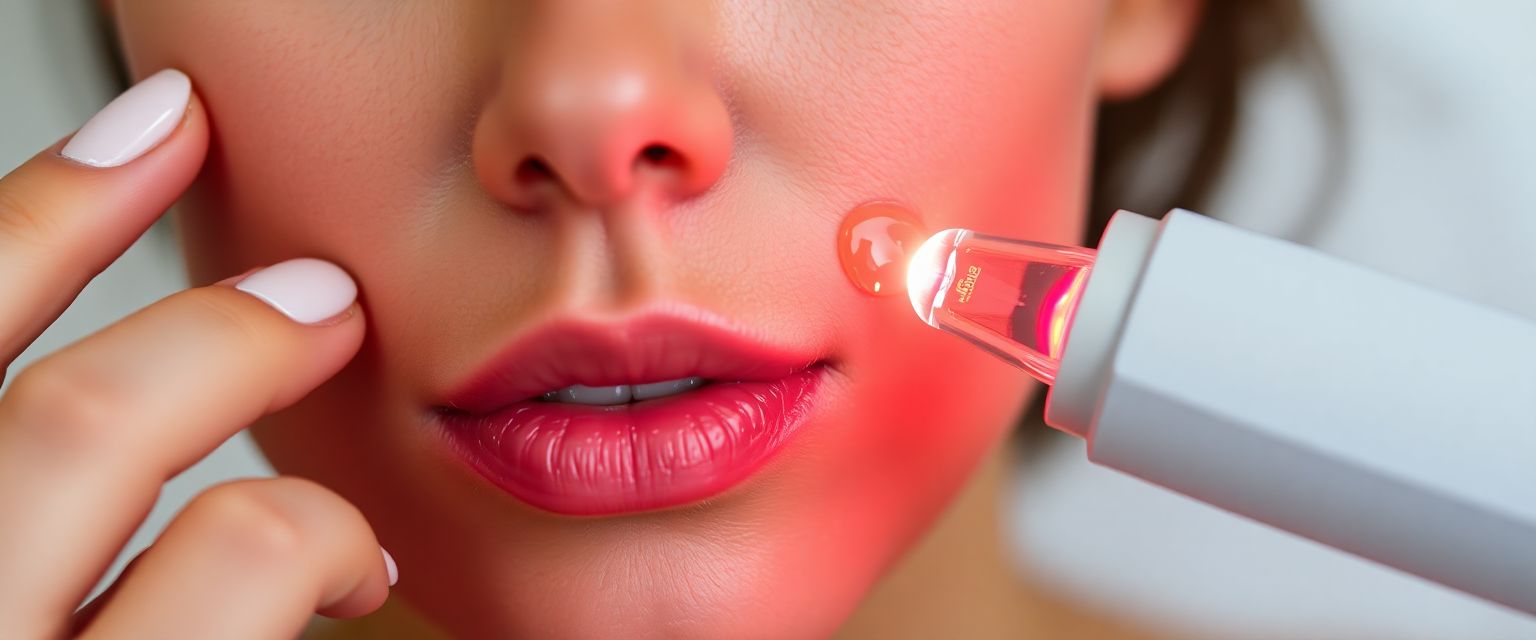
What Serum Should You Use With Red Light Therapy?
Red light therapy has earned its place in at-home skincare, and a good serum is its natural partner. But many guides get the pairing backwards.
The best serums to pair with red light therapy depend on your skin type, but application order comes first. Use your device on clean, dry skin, then apply your serum after the session.
Only products specifically made for use during LED treatment, such as certain conductive gels, should be applied beforehand. Retinoids, exfoliating acids, and other potentially irritating ingredients may also need to be kept separate from session time.
Below, you’ll find serum picks for oily, blemish-prone, sensitive, dry, and mature skin, along with the correct layering order and ingredients to avoid before red light therapy.
5 Best Serums to Use With Red Light Therapy (Editor’s Picks)
| Serum | Best For | When to Use | Why It Works |
|---|---|---|---|
| MitoAURA Activate + Amplify Red Light Therapy Serum | Best for Red Light Therapy | Before your session | Designed as a pre-session companion serum and layers easily without feeling heavy |
| Super Novaa Recovery Gel | Best for muscle and joint recovery | Before your session | A red light synergy gel with CoQ10, MSM, arnica, and menthol |
| The Ordinary Hyaluronic Acid 2% + B5 | Hydration + simple “slip” serum | After your session | A basic water-based option that helps skin feel comfortably hydrated during sessions |
| NIOD Copper Amino Isolate Serum 2:1 | Night routine (post-session) | After your session | Fits best after a session as part of a reparative nighttime routine rather than right before |
| SkinCeuticals CE Ferulic | Morning antioxidant routine | Morning, after session | A popular vitamin C antioxidant option for daytime use; keep layers thin and let it fully absorb first |
Disclosure: As an Amazon Associate and affiliate partner I may earn a small commission on qualifying purchases at no extra cost to you.
Top Pick : MitoAURA Active + Amplify Red Light Therapy Serum
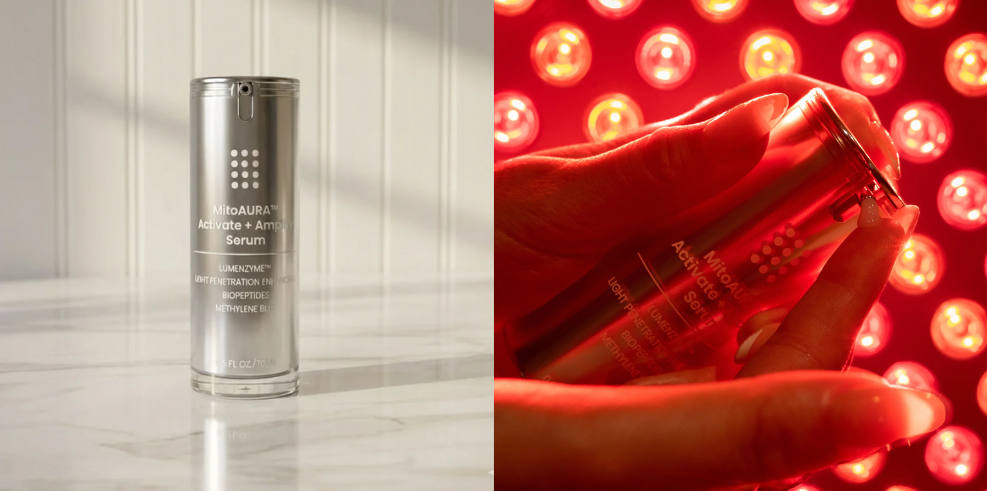
This is the first serum actually designed for red light therapy rather than just being compatible with it.
The formula combines botanicals with mitochondrial support compounds which are ingredients to help your skin make the most of each red light therapy session.
Key ingredients and what they do:
- Spirulina and plankton extracts provide antioxidant support during the temporary oxidative shift that happens when light increases cellular activity
- Methylene blue designed to work with your mitochondria’s electron transport chain, supporting the same energy pathways red light activates
- Thermus thermophilus ferment responds to the gentle warmth from light sessions
- THD vitamin C and palmitoyl hexapeptide-12 supply building blocks for collagen pathways
- Squalane, glycerin, and lightweight lipids keep skin hydrated without blocking wavelengths
Made in the USA, Mito describes the formula as EWG green-aligned without any synthetic fillers, artificial dyes, or harsh preservatives.
Best for: Anyone serious about red light therapy who wants a formula that works with the biological changes happening during sessions, not just alongside them.
When to use: Apply 2-3 pumps before red light therapy sessions, allowing a few minutes for absorption.
Best Recovery Pick: Super Novaa Recovery Gel
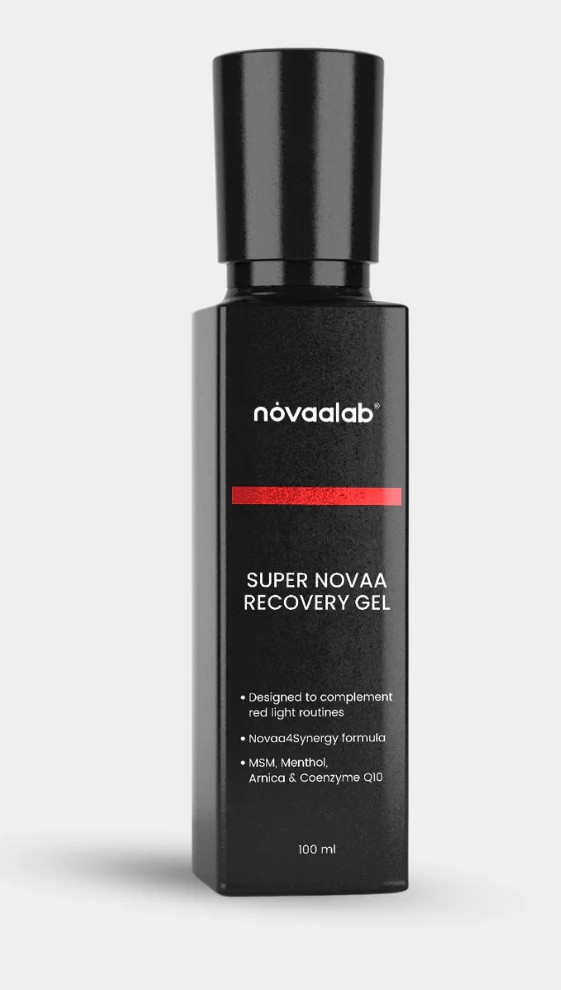
The Super Novaa Recovery Gel is built for people who use red light therapy on the body for muscle soreness, joint stiffness, and post-workout recovery.
The Novaa4Synergy formula brings together four recovery ingredients chosen to complement light therapy:
- MSM is included to help ease joint and muscle stiffness and support the body’s natural repair process
- Arnica montana is a long-used botanical for easing tension and reducing the look of bruising and swelling
- Coenzyme Q10 supports cellular energy production, the same pathway red light is thought to stimulate, and adds antioxidant protection
- Menthol gives a cooling sensation on contact that helps soothe sore muscles during a session
The texture is light and fast-absorbing, so the gel sinks in within seconds and shouldn’t leave behind any sticky residue. It’s also paraben-free and includes aloe and oat amino acids to help support the skin barrier while the actives work.
Because arnica belongs to the daisy (Asteraceae) family, patch test first if you have a known plant allergy, and stop use if you notice persistent redness or irritation.
Best for: Anyone using red light therapy on the body for soreness, stiffness, or recovery rather than the face.
When to use: Apply a thin layer 1 to 2 minutes before a 15 to 20 minute light session. It can also be used on its own once or twice daily on non-therapy days.
Check Price of the Super Novaa Recovery Gel →
Best Anti-Aging Serums for Red Light Therapy
Red light therapy and peptide serums are two of the most popular tools in regimens focused on firmer, smoother-looking skin, and they slot together naturally: sessions on bare skin, peptides after.
The picks below are formulated for visible signs of aging, from fine lines to skin that’s lost its bounce.
NIOD Copper Amino Isolate Serum 2:1
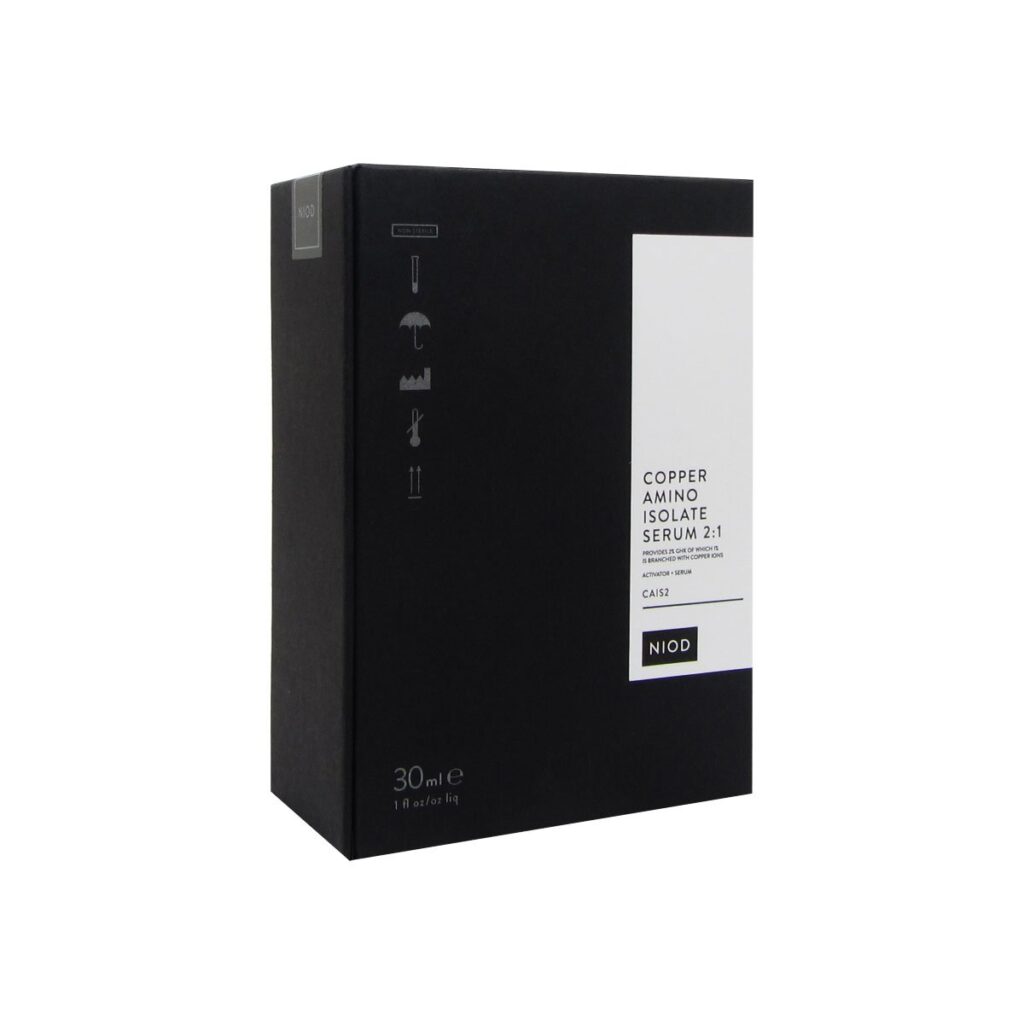
Copper peptides are among skincare’s most extensively studied ingredients, and NIOD offers one of the most concentrated copper tripeptide-1 formulas available without a prescription-level price tag. Its mix-before-use format and clinical presentation make it a better fit for skincare enthusiasts who value potency and don’t mind a more hands-on application.
- Copper tripeptide-1, one of skincare’s most studied peptides, at a notably high concentration
- Amino acid complex rounds out the peptide-focused formula
- Lightweight, watery texture layers easily in an evening regimen
Best for: Mature skin, the look of fine lines and lost firmness, experienced serum users
When to use: Evening, after red light therapy
SkinMedica TNS Advanced+ Serum
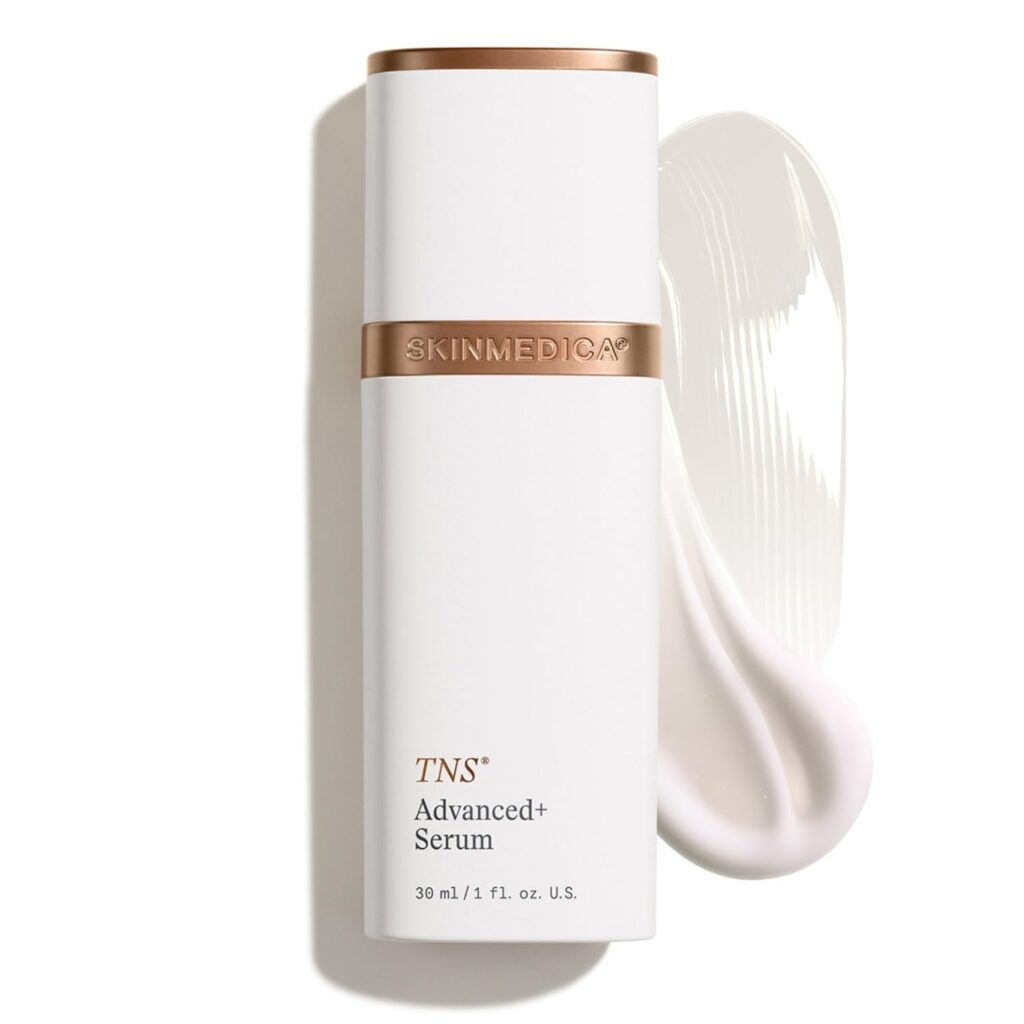
Human fibroblast conditioned media sounds complex, but it’s essentially growth factors and signaling proteins involved in how skin cells communicate. Paired with red light therapy, this serum is designed to support the skin’s natural renewal processes, which can slow with age.
- Growth factors formulated to support cellular communication and repair signaling
- Multiple peptides intended to support the appearance of firmer skin
- Antioxidants help protect skin during and after light sessions
- Clinically studied formulation from a physician-dispensed brand
Best for: Visible signs of advanced aging, skin showing sun damage, anyone wanting a clinically studied formula
When to use: Morning or evening after red light therapy
Best Serums for Oily Skin to Use With Red Light Therapy
Red light therapy is often used alongside skincare routines for oily and blemish-prone skin, and pairing your device with the right serum can round out your regimen.
The serums below are formulated for oil control and are lightweight enough to layer with regular light sessions.
Paula’s Choice 20% Niacinamide Treatment
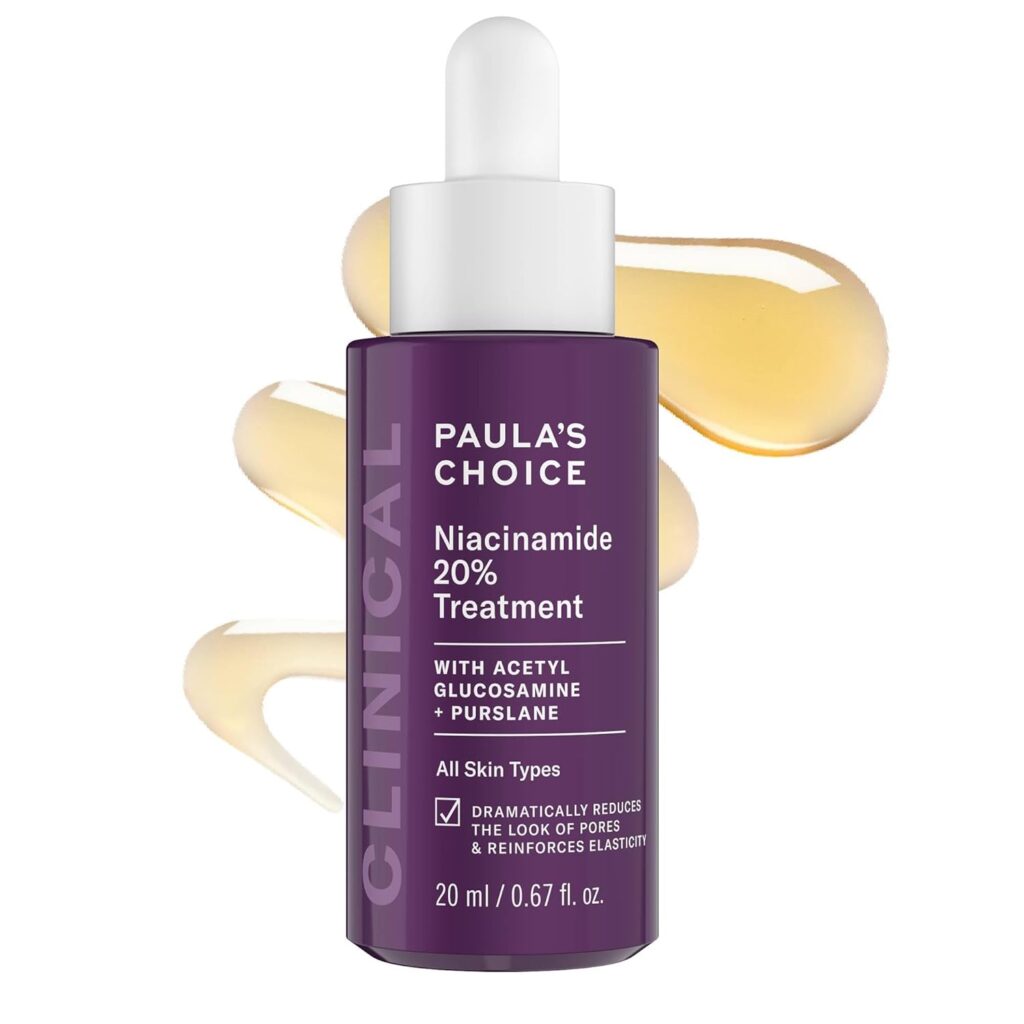
High-concentration niacinamide is a favorite for oily skin, and Paula’s Choice uses one of the highest concentrations you’ll find over the counter. The 20% formula is designed to visibly minimize the look of enlarged pores and reduce the appearance of excess shine.
- Niacinamide is known for supporting balanced-looking, less shiny skin
- 20% concentration for those who haven’t seen changes with lower strengths
- Formulated to support the skin’s moisture barrier
- Water-based formula won’t interfere with light penetration
Best for: Very oily skin, visibly enlarged pores, shine-prone complexions
When to use: After red light therapy, on clean, dry skin
The Ordinary Niacinamide 10% + Zinc 1%
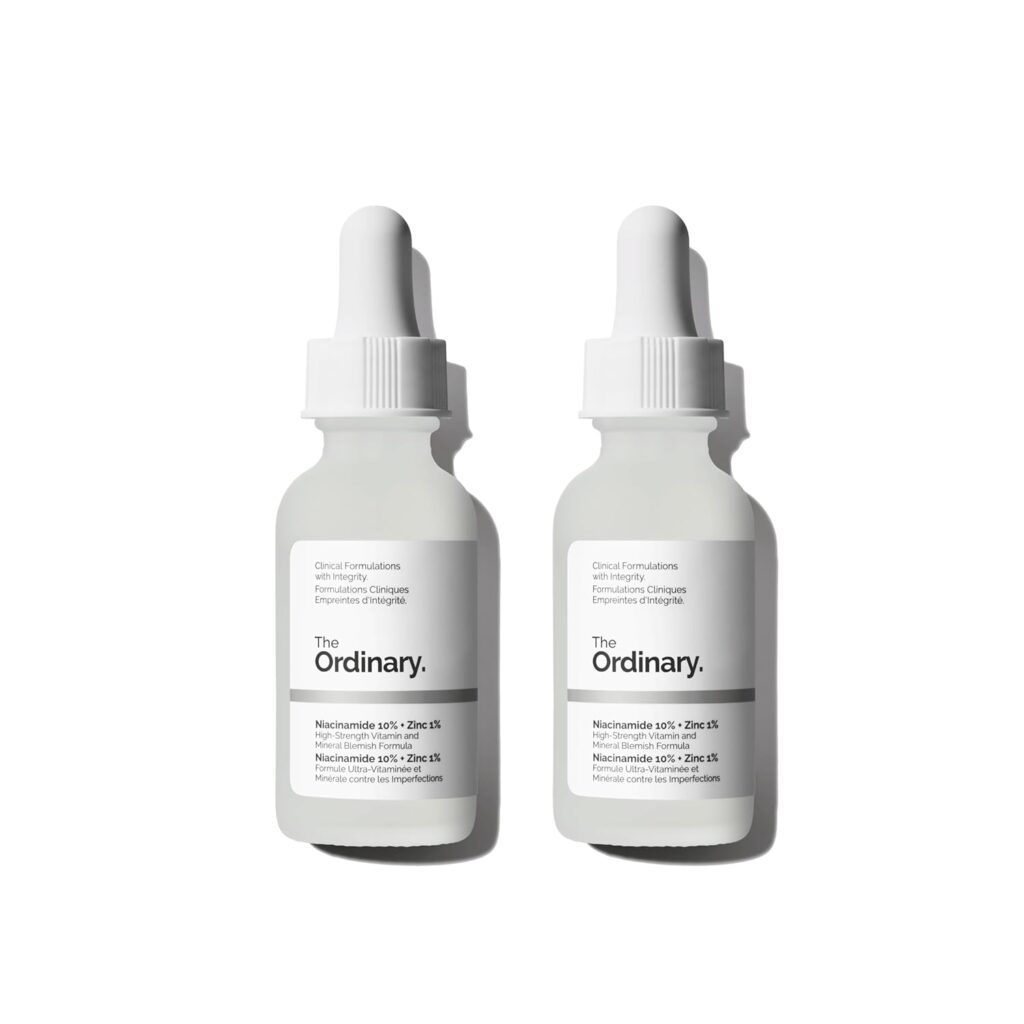
This pairing covers oily skin at a gentler strength than the 20% option above. Niacinamide is included for the look of balanced, less shiny skin, while zinc PCA is a common addition in formulas aimed at oily and blemish-prone complexions.
- 10% niacinamide suits daily use, even for those newer to actives
- Zinc PCA complements niacinamide in formulas for oily skin
- Lightweight texture layers easily with the rest of your regimen
- One of the lowest-priced niacinamide serums per ounce
Best for: Combination skin, visible shine, anyone starting with niacinamide
When to use: After red light therapy, on clean, dry skin
iS Clinical Pro-Heal Serum Advance+
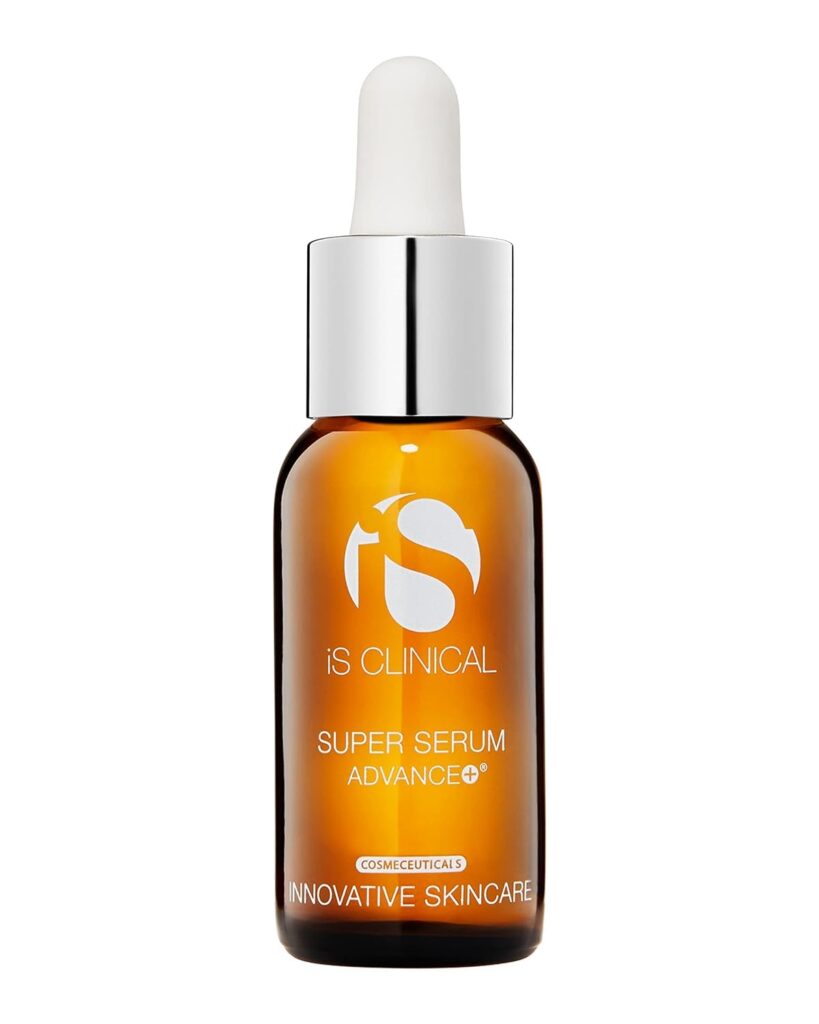
Sensitive, acne-prone skin needs a different approach. This professional serum pairs vitamin C with soothing botanicals like centella asiatica and olive leaf extract, offering antioxidant protection with a formula designed for easily reactive skin.
- L-ascorbic acid provides antioxidant protection during treatment
- Centella asiatica and olive leaf extract are known for their skin-soothing reputation
- Formulated with sensitive and easily irritated skin in mind
- Lightweight enough to layer after light sessions without heaviness
Best for: Sensitive acne-prone skin, the look of dark marks after blemishes, reactive skin
When to use: After red light therapy, on clean, dry skin
Hydrating Serums That Boost Light Penetration
Regular light sessions can leave some skin feeling dry or tight, especially in winter or with daily use. A lightweight hydrating serum after treatment keeps your regimen comfortable and your skin looking plump and dewy.
The Ordinary Hyaluronic Acid 2% + B5
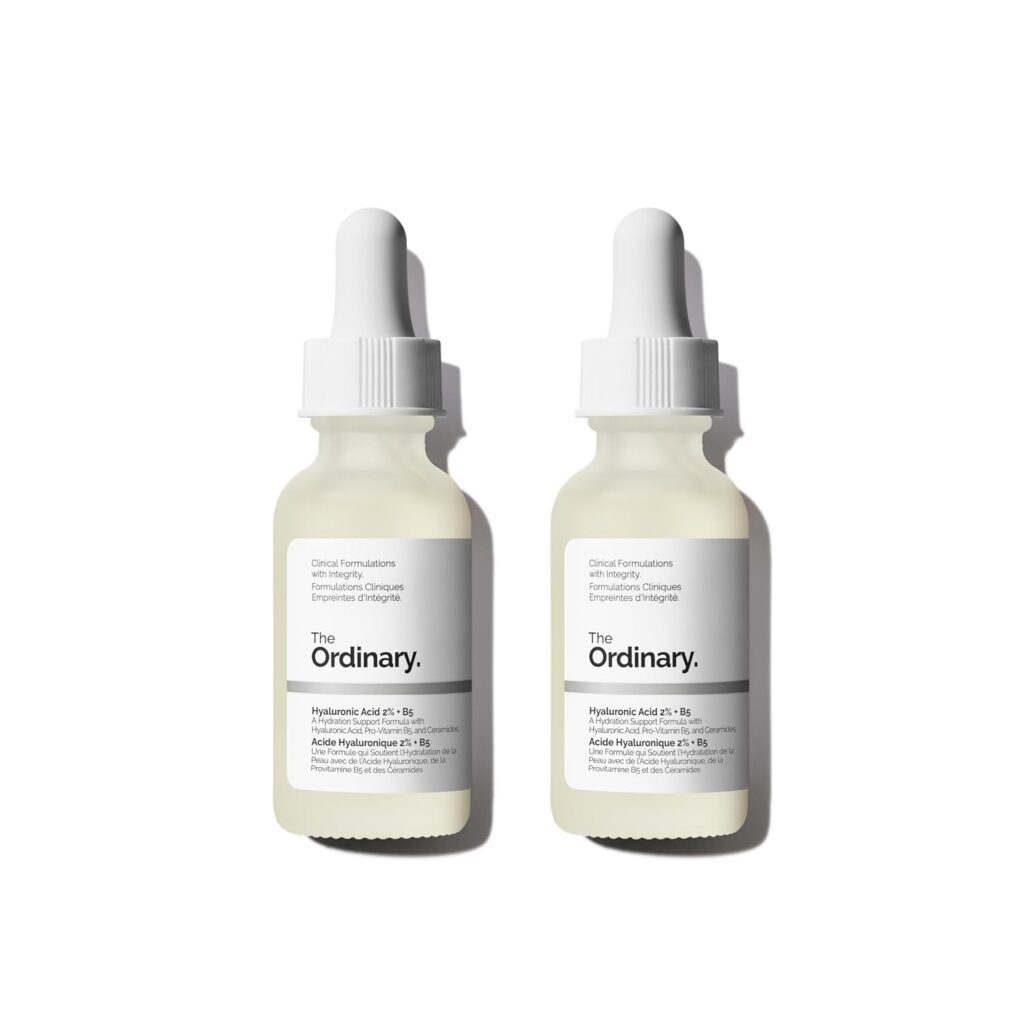
Multiple molecular weights of hyaluronic acid are included for hydration at both the surface and within the skin’s upper layers, while vitamin B5 rounds out the formula for a soothing feel. It’s a simple, fragrance-free pick that layers under anything.
- Multiple molecular weights of hyaluronic acid for surface and deeper hydration
- Vitamin B5 known for its soothing, skin-comforting reputation
- Fragrance-free, lightweight formula layers under moisturizer or actives
- One of the lowest-priced hyaluronic serums available
Best for: All skin types, especially skin that looks dry or feels tight
When to use: After red light therapy, on slightly damp skin
Timeless Skin Care Coenzyme Q10 Serum
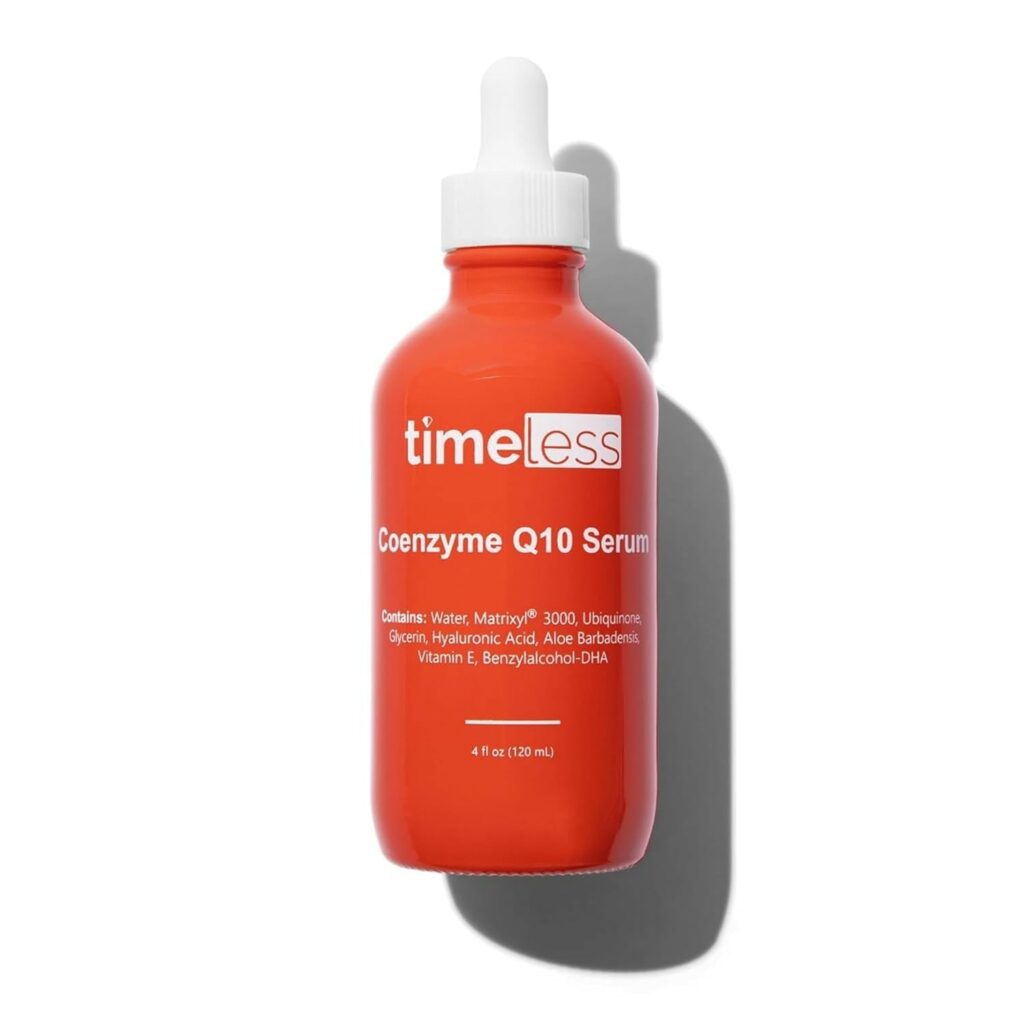
CoQ10 is an antioxidant found naturally in skin, and levels decline with age, which is why it’s a longtime favorite in anti-aging formulas. It’s also a popular pairing among red light therapy users, since both have a place in regimens focused on a more energized, youthful look.
- CoQ10 delivers antioxidant protection in a skin-friendly form
- Hyaluronic acid adds lightweight hydration to the formula
- Vitamin E offers additional antioxidant protection
- Simple ingredient list at a lower price than most CoQ10 serums
Best for: Mature skin, dull-looking skin, anyone building an antioxidant regimen
When to use: After red light therapy, on clean, dry skin
SkinMedica HA5 Rejuvenating Hydrator
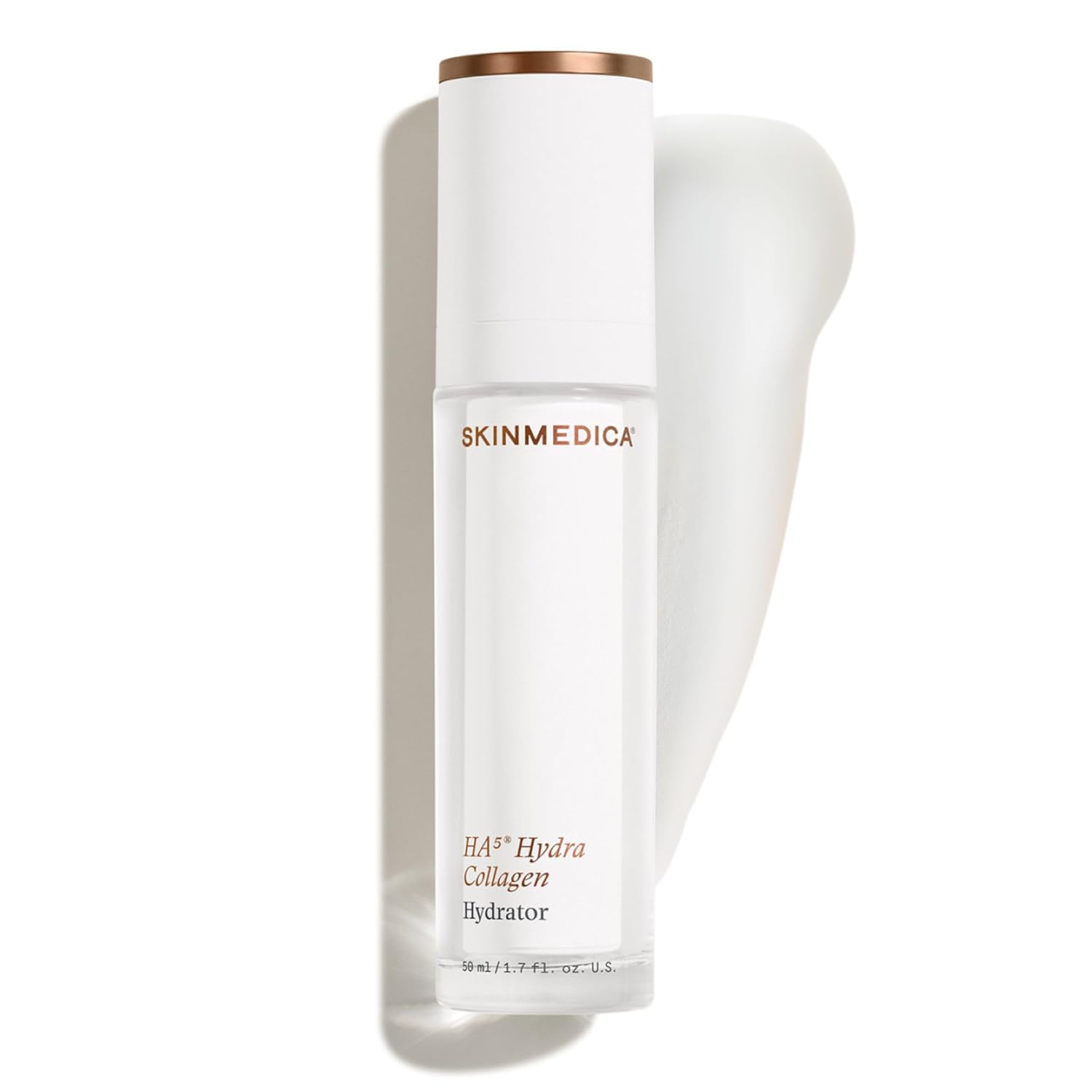
Five different forms of hyaluronic acid are blended for hydration that works at the surface and within the skin’s upper layers. From the same physician-dispensed brand as the TNS serum above, it delivers an instant smoothing effect on the look of fine lines while keeping skin hydrated through the day.
- Five HA forms for surface and upper-layer hydration
- Instantly smooths the look of fine, dry lines
- Silky texture absorbs fast and layers well after light sessions
- Physician-dispensed brand with clinically studied formulas
Best for: Mature skin, the look of fine dry lines, anyone already using SkinMedica products
When to use: After red light therapy, on slightly damp skin
Best Vitamin C Serums for Brightening
Vitamin C is a natural companion to a red light regimen: both sit in routines aimed at a brighter, more even-looking complexion, and vitamin C’s antioxidant protection earns it a permanent morning slot. Apply it after your morning light session, then follow with sunscreen.
SkinCeuticals CE Ferulic
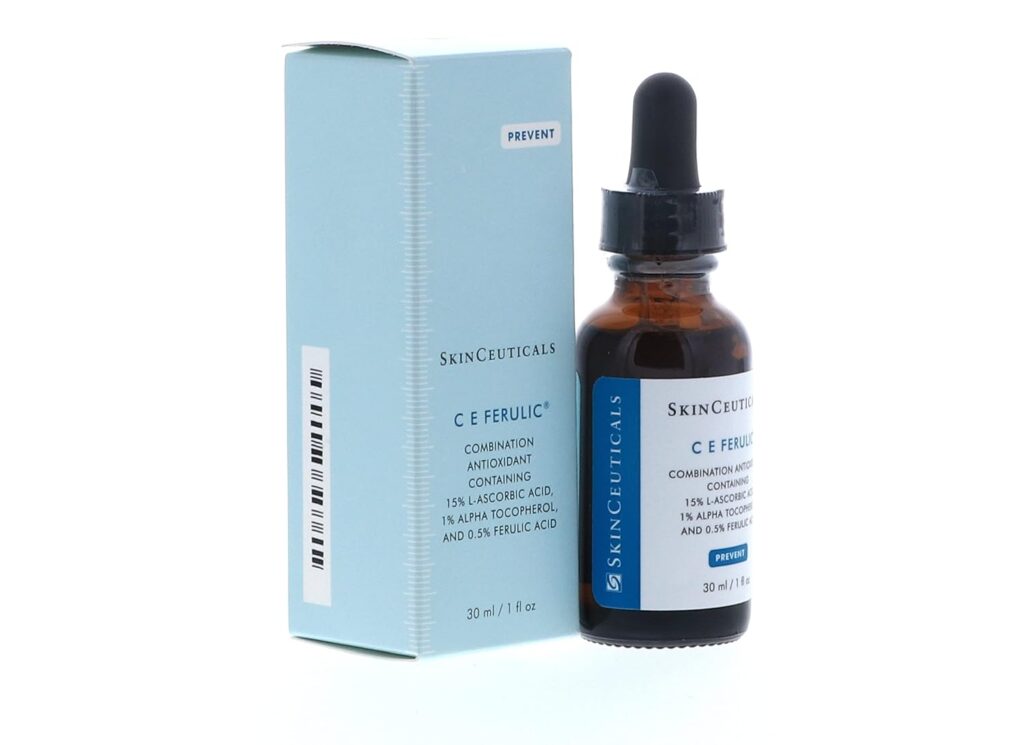
The benchmark vitamin C serum, built on a patented combination of L-ascorbic acid, vitamin E, and ferulic acid. The ferulic acid stabilizes the notoriously fragile L-ascorbic acid, which is a big part of why this formula has held its reputation for two decades.
- 15% L-ascorbic acid, the most studied vitamin C form
- Ferulic acid and vitamin E stabilize the formula
- Patented, clinically studied formulation from the brand that set the category standard
- Brightens the look of dull skin and visible dark spots over time
Best for: All skin types, the look of dark spots, dull-looking skin
When to use: Morning, after your light session and before sunscreen
Mad Hippie Vitamin C Serum
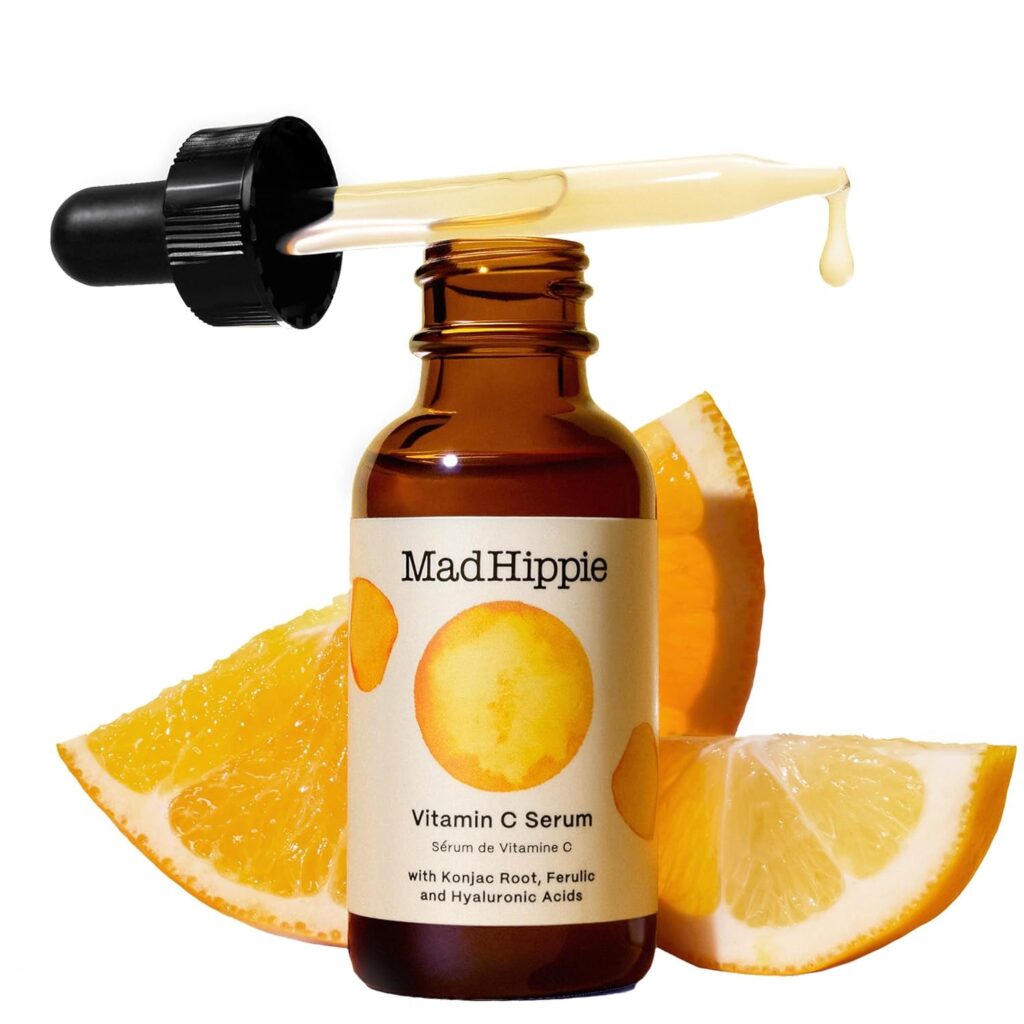
A gentler entry point than the L-ascorbic acid options above. This serum uses sodium ascorbyl phosphate, known as one of the mildest vitamin C forms, which makes it a frequent pick for sensitive skin and vitamin C first-timers.
The formula rounds out with hyaluronic acid for hydration, ferulic acid for stability, and vitamin E for added antioxidant protection.
- Sodium ascorbyl phosphate, known as one of the gentler vitamin C forms
- Hyaluronic acid adds lightweight hydration
- Ferulic acid and vitamin E support formula stability and antioxidant protection
- Konjac root included for softer, smoother-feeling skin
Best for: Sensitive skin, vitamin C beginners, anyone who found stronger formulas too much
When to use: Morning, after your light session and before sunscreen
Barrier-Supporting Serums for Sensitive Skin
If your skin often feels dry, tight, or easily upset, a barrier-supporting serum is a smart companion to regular light sessions. These formulas focus on keeping skin feeling comfortable and hydrated so the rest of your regimen stays easy to stick with.
CeraVe Skin Renewing Gel Oil
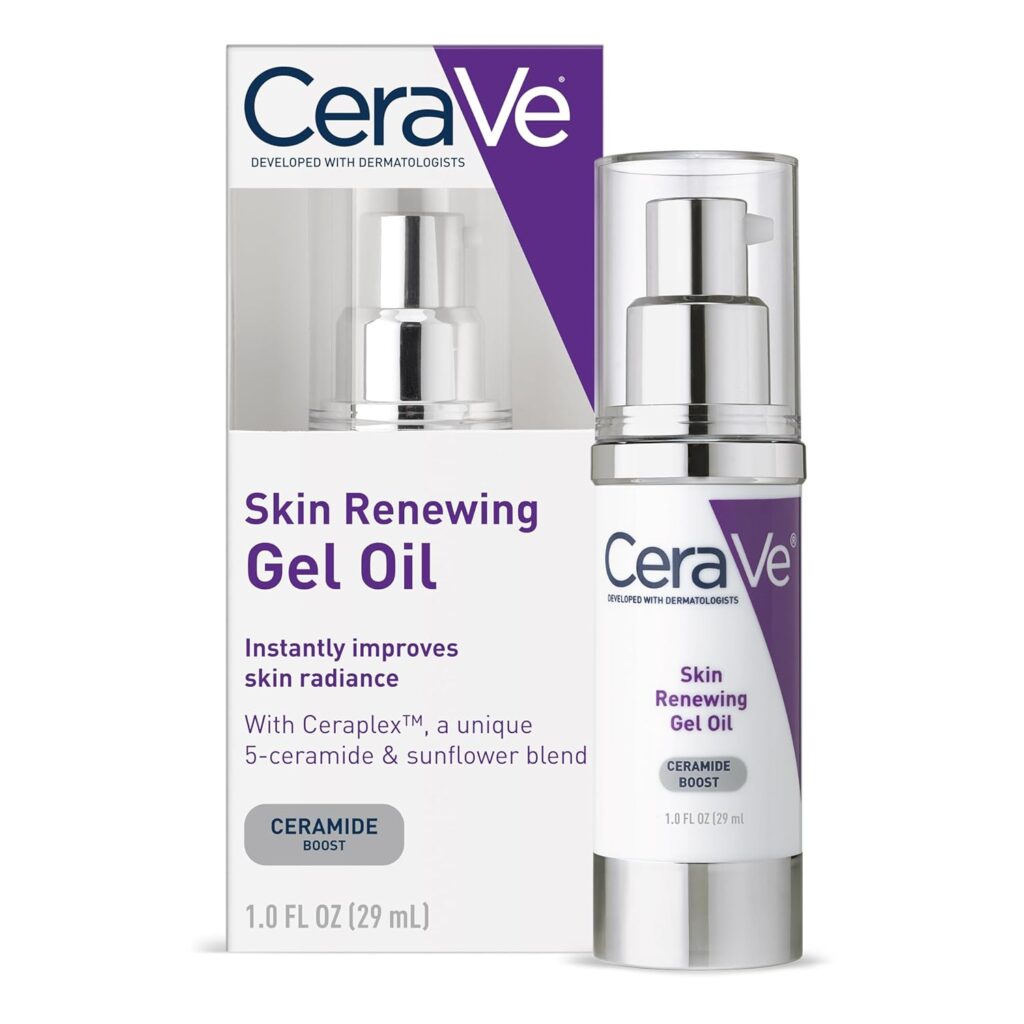
This gel-oil hybrid delivers ceramides, the lipids naturally found in skin, in a texture far lighter than most oils. It leaves skin feeling soft and cushioned without the heavy, occlusive finish you’d expect from the “oil” in the name.
- Three essential ceramides help maintain the skin’s moisture barrier
- Gel-oil texture absorbs quickly with lasting hydrated feel
- Niacinamide included for its soothing reputation
- Lightweight finish layers cleanly after light sessions
Best for: Dry skin, sensitive skin, anyone whose skin feels tight after cleansing
When to use: After red light therapy, while skin is still slightly warm
Vanicream Gentle Facial Moisturizer
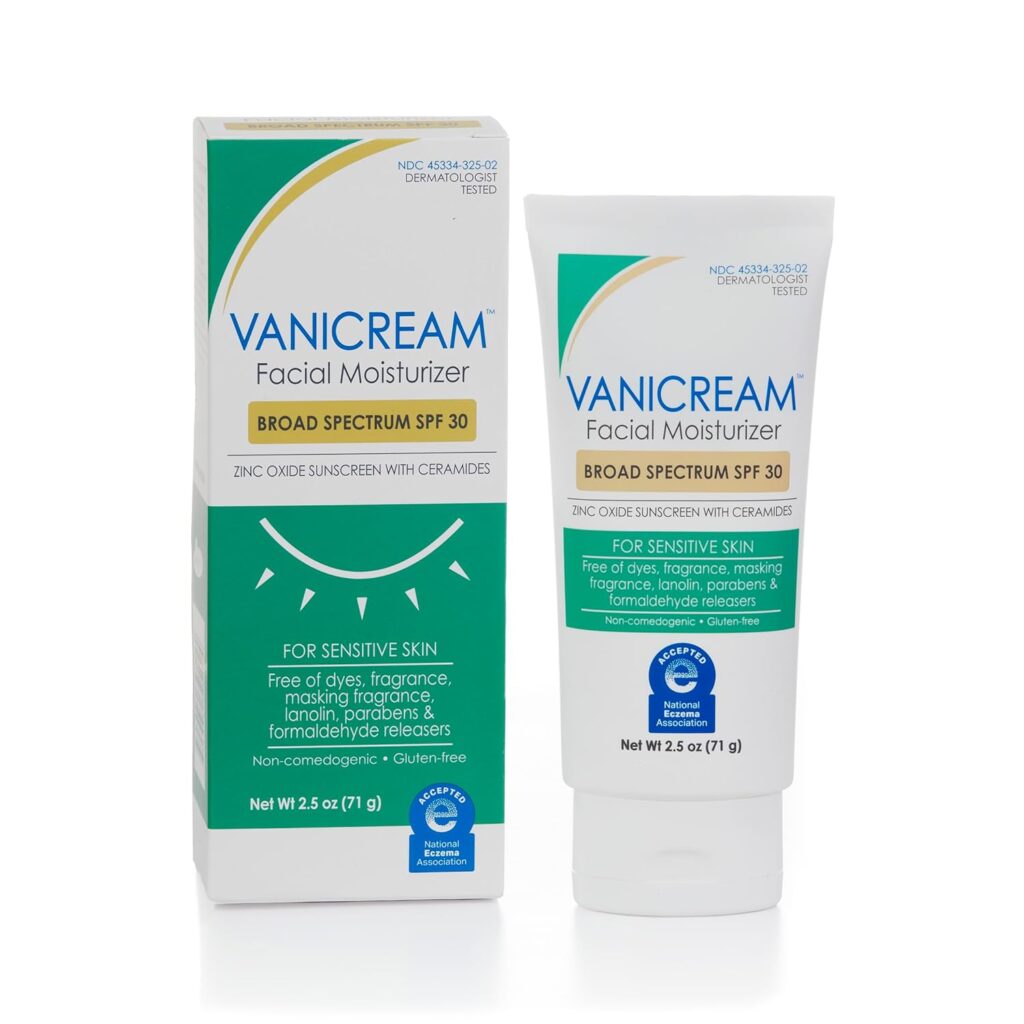
The minimalist pick of the lineup. Vanicream built its reputation on short ingredient lists that leave out the usual suspects (like fragrance, dyes, lanolin, and parabens) making it a longtime staple for people whose skin objects to almost everything else.
- Short ingredient list with common irritants left out
- Ceramides and hyaluronic acid help maintain a hydrated, comfortable feel
- Free from fragrance, dyes, lanolin, and parabens
Best for: Very sensitive skin, easily upset skin, anyone reacting to other formulas in this list
When to use: After red light therapy, on clean skin
How to Order Your Skincare Around Red Light Therapy
The rule is simple: red light first, on clean, dry skin. Serums, moisturizer, and everything else come after. Treat your session as step one, never a step in the middle.
Morning Routine:
- Cleanse thoroughly to remove overnight products
- Red light therapy for 10-20 minutes on bare skin
- Apply your water-based serum (vitamin C, niacinamide, or hyaluronic acid on slightly damp skin)
- Moisturizer, then broad-spectrum SPF
Evening Routine:
- Double cleanse to remove makeup, sunscreen, and daily buildup
- Red light therapy for 10-20 minutes on bare skin
- Apply your evening serum or treatment (retinol goes here, never before a session)
- Heavier moisturizers or oils as your final step
Common Mistakes With Serums and Red Light Therapy
❌ Using retinol before red light therapy. Many brands advise applying retinoids after LED treatment (not before) to reduce irritation risk.
❌ Applying anything before treatment. Oils, creams, and even lightweight serums belong after your session, not under the light. Start every session with clean, dry skin. The exception is products designed for use during light therapy, applied per the brand’s directions.
❌ Layering too many products. One well-chosen serum is easier to evaluate and easier to stick with than a stack of five. Add products one at a time so you know what your skin likes.
❌ Using photosensitizing ingredients near session time. Certain essential oils (bergamot, lemon, lime), freshly applied glycolic acid, and some medications increase light sensitivity. Check new products before adding them, and ask a dermatologist if you take photosensitizing medication.
❌ Expecting overnight changes. Give any new serum-plus-light regimen 6-8 weeks of regular use before judging it.
Conclusion: How to Build the Best Red Light Therapy Routine for Your Skin
The best red light therapy skincare regimen starts with one serum matched to your main concern, such as excess shine, visible signs of aging, or dry, tight-feeling skin. Use it consistently for several weeks before adding another product, then judge the results by how your skin looks and feels rather than by the latest trend.
One well-chosen serum used daily will usually do more for your skin than several products applied occasionally. Complete each red light therapy session on clean, bare skin, then apply your serum and the rest of your skincare afterward.
With regular use and a focused approach, your skin has a better chance to show visible, lasting improvement.
Frequently Asked Questions about Serums for Red Light Thearpy
Can I use many serums with red light therapy?
Yes, you can use many serums with red light therapy. However, it’s important to introduce new products gradually and to layer them correctly.
Start with one or two serums that address your primary skin concerns, and add more as needed.
Is it safe to use Vitamin C serum with red light therapy?
Yes, Vitamin C serum is safe and beneficial to use with red light therapy. Apply it after your morning session, then follow with sunscreen. The two sit naturally together in regimens focused on a brighter-looking complexion.
Which serums pair well with red light therapy for blemish-prone skin?
Niacinamide serums are a popular pick for oily, blemish-prone skin alongside a light regimen. Apply after your session, and see the oily-skin picks above for options.
How long does it take to see results from using serums with red light therapy?
Results can vary depending on the individual and the specific concern. Generally, you might start to see some improvements within 4-6 weeks of consistent use. However, for more significant changes, it may take 3-6 months of regular use.
Are there any serums I should avoid using with red light therapy?
Most serums are safe to use with red light therapy. However, it’s best to avoid applying photosensitizing ingredients like certain essential oils or retinoids immediately before a red light therapy session.
When in doubt, ask a dermatologist, especially if you take medication that increases light sensitivity.
Can I use retinol serum with red light therapy?
Yes, retinol can be used in conjunction with red light therapy. However, it’s best to apply retinol after your red light therapy session, preferably at night, as retinol can make your skin more sensitive to light.
Is hyaluronic acid serum good for all skin types?
Hyaluronic acid is generally well-tolerated by all skin types, including oily skin. It’s especially popular for skin that looks dry or feels tight, and it works best applied to slightly damp skin.
How do I know which serum is right for my skin?
Choosing the right serum depends on your specific skin concerns and skin type. If you’re unsure, start with a gentle, multi-purpose serum like niacinamide or hyaluronic acid.
For more targeted concerns, speak with a dermatologist or aesthetician.