LED Skin Phototherapy Treatments: Red, Blue & Near-Infrared Benefits Explained
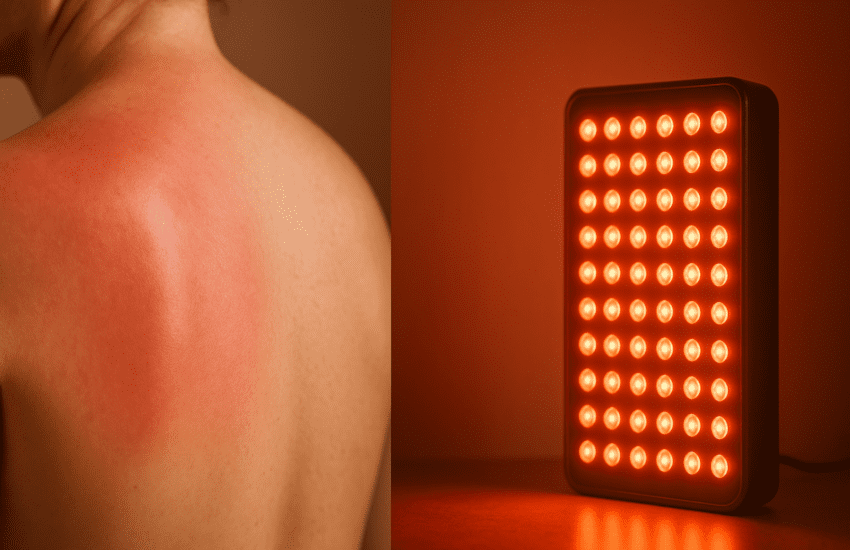
LED skin phototherapy has become one of the more popular non-invasive options in at-home skincare. Originally developed by NASA for plant growth experiments in space, the technology has since been adapted for cosmetic and wellness use, with ongoing research exploring how different wavelengths interact with skin.
What Is LED Light Therapy and How It Works
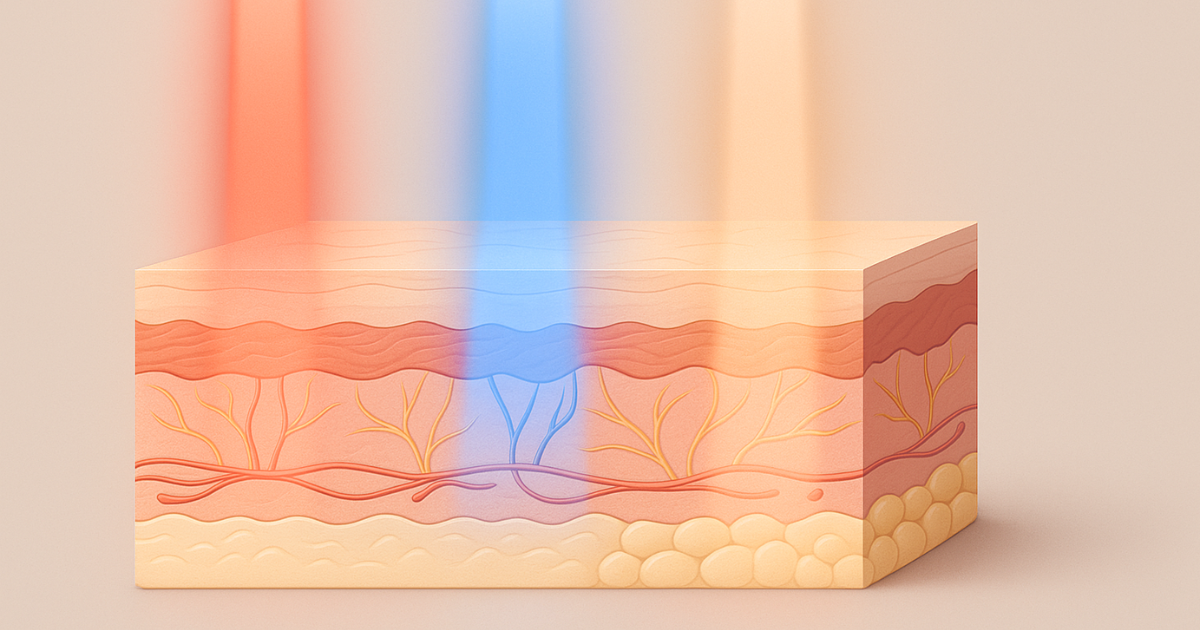
LED therapy uses specific wavelengths of light that may penetrate the skin at different depths. Each wavelength has been studied for different potential uses.
Red Light (620-750 nm) for Collagen, Elasticity and Fine Lines
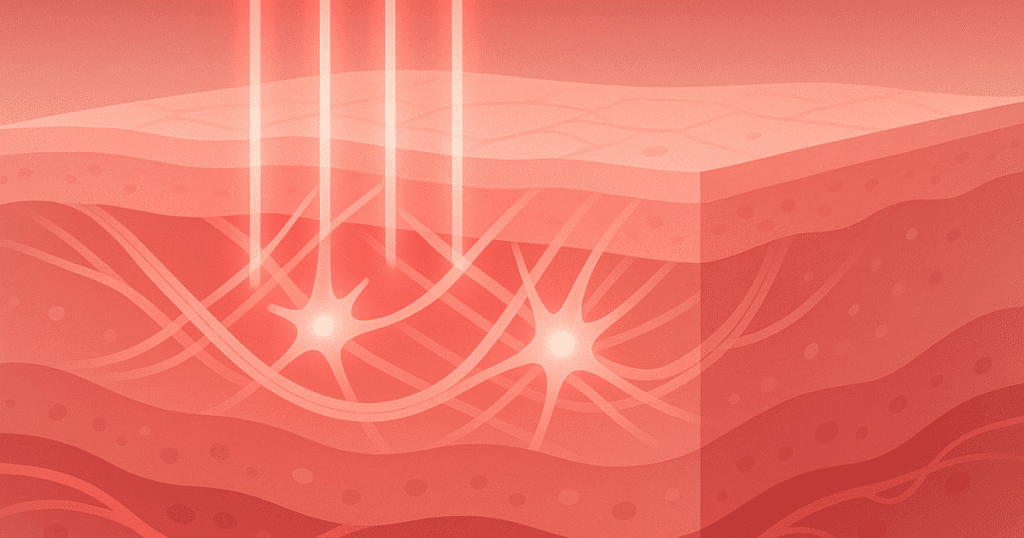
Red light therapy in the 620-750 nm range is one of the most-studied wavelengths in at-home phototherapy.
These wavelengths may reach deeper layers of the skin, including the dermis, where fibroblasts are found. Fibroblasts are involved in making collagen and elastin, two proteins that help skin keep its firmness and elasticity.
Because of this, red light therapy is often marketed for supporting collagen activity and softening the visible look of fine lines and wrinkles.
Some research suggests red light wavelengths may affect how fibroblasts produce collagen and elastin. With regular use, this may be one reason some people notice skin that looks firmer or smoother.
Red light therapy has also been studied for its possible effect on local circulation, which may help skin cells receive oxygen and nutrients.
Blue Light (415-495 nm) for Acne Bacteria and Sebum Regulation
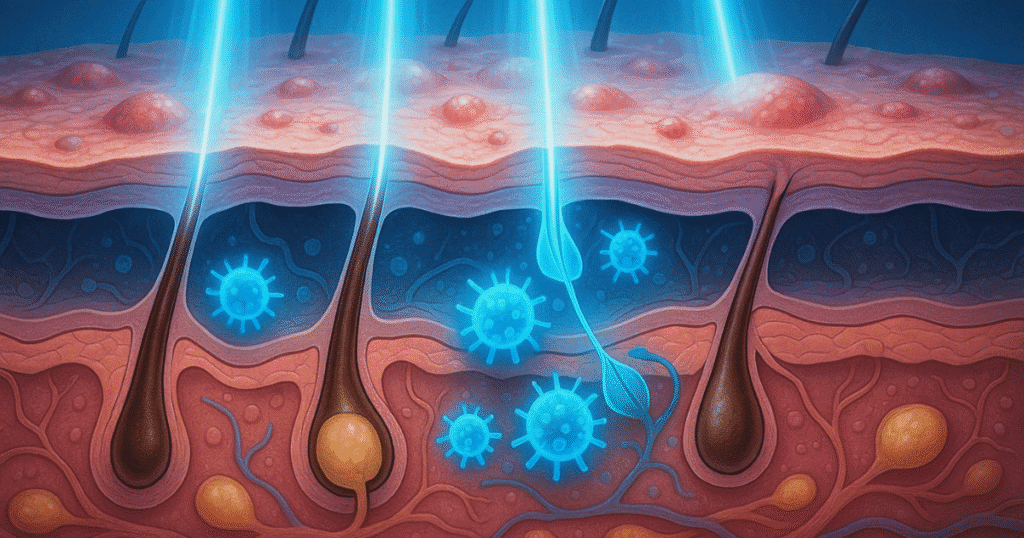
Blue light therapy in the 415-495 nm range has been studied for its potential effects on acne-causing bacteria in the skin’s follicles and sebaceous glands. Research suggests it may help support clearer skin in people prone to breakouts, with less risk of irritation compared to some topical actives.
Blue light has been shown in some studies to target Cutibacterium acnes (also known as Propionibacterium acnes), the bacteria associated with active breakouts. Reducing the activity of these bacteria may help support skin that’s less prone to congestion over time.
Blue light therapy has also been studied for its potential influence on sebum production, which is often higher in acne-prone skin and a contributor to clogged pores.
Compared to some topical acne treatments, blue light therapy is often described as gentler, with less drying and irritation, which makes it a more accessible option for those with sensitive skin.
Near-Infrared Light (750-1200 nm) for Deeper Tissue Support
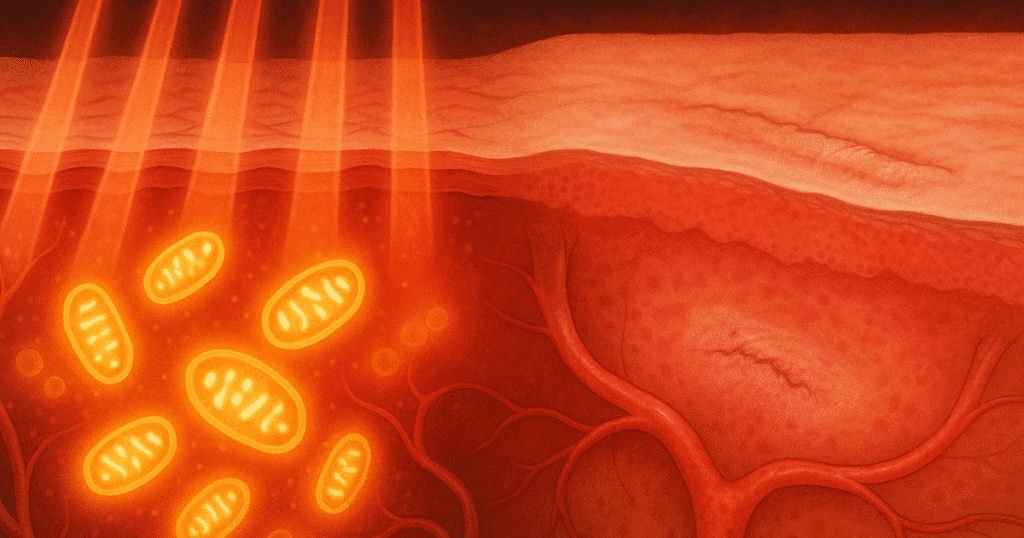
Near-infrared light therapy in the 750-1200 nm range penetrates the deepest of the LED wavelengths, reaching into the hypodermis. It’s commonly studied for its effects on cellular processes, particularly the production of adenosine triphosphate (ATP), the energy molecule cells use for repair and renewal.
Research suggests near-infrared light may support faster cell turnover, which has been linked to wound healing and the appearance of scars. It has also been studied for its potential effects on inflammation in skin, which some research suggests may be relevant for chronic redness or sensitivity, though more clinical research is needed.
For a deeper look at this specific use case, see our guide to the best at-home light therapy for rosacea.
Professional vs At-Home LED Devices
LED therapy can be done in a few different ways depending on your needs, budget, and how much time you want to spend.
Professional Treatments
Professional LED treatments are typically done in a dermatologist’s office or a high-end spa. These use powerful, medical-grade LED devices that deliver targeted light therapy.
A typical session lasts about 20-30 minutes, and a series of treatments is usually recommended for the best chance of seeing results.
Professional treatments offer several advantages:
- Higher intensity: Professional devices are more powerful than at-home options, which may lead to faster visible changes.
- Customization: A skincare professional can tailor the session to your specific concerns, combining different wavelengths as needed.
- Complementary treatments: LED therapy can be combined with other professional treatments like chemical peels or microdermabrasion.
- Expert guidance: A skincare professional can watch your progress and adjust as needed.
At-Home Devices
At-home LED devices have become more accessible, offering convenience and lower cost for those who want to use LED therapy regularly. These devices come in various forms, including masks, handheld wands, and panels.
While not as powerful as professional equipment, at-home devices may still provide noticeable benefits with regular use. They can be useful for maintaining results between professional treatments or for addressing milder concerns.
When choosing an at-home device, consider:
- FDA clearance: Look for devices cleared by the FDA for safety.
- Wavelength options: Some devices offer multiple wavelengths, which gives flexibility to address different concerns.
- Treatment area: Decide whether you want full-face coverage or want to focus on specific areas.
- Ease of use: Choose a device that fits your lifestyle.
Combining LED Therapy with Other Skincare Treatments
LED therapy can work alongside other skincare treatments and products. Some commonly suggested pairings:
- LED therapy after chemical peels: Red or near-infrared light may help soothe the skin and support healing after a chemical peel.
- LED therapy with serums: Apply your favorite serums before your LED session. Some users find the light helps with absorption. For a starting point on which serums work well, here’s a guide on what serums to use with red light therapy.
- LED therapy after microneedling: Near-infrared light may help reduce visible irritation and support healing after microneedling.
- LED therapy with sheet masks: Using an LED device while wearing a sheet mask may add an extra layer of hydration and nourishment.
Apply skincare products before LED therapy if you want them to absorb during the session.
Getting the Most From LED Therapy
Here are a few things that may help you get better results:
Stay Consistent
LED therapy is cumulative, which means regular sessions over time generally yield better results than occasional ones. Whether you’re using a professional or at-home device, sticking to a schedule helps.
For at-home devices, many manufacturers recommend daily sessions of 10-20 minutes. For professional treatments, weekly sessions are typical, followed by monthly maintenance.
Be Patient
Some users may notice immediate improvements after LED therapy, but most see meaningful changes over time. It may take several weeks or even months of regular use to see substantial differences.
To stay motivated:
- Take progress photos: Regular photos can help you track subtle changes that aren’t always noticeable in the mirror.
- Keep a skin journal: Note any changes you observe, including texture, tone, and specific concerns.
- Remember skin renewal takes time: The skin’s natural renewal cycle is about 28 days, so give your skin time to respond.
Adapt Your Routine to Your Skin’s Needs
LED therapy is versatile. You can adjust your sessions based on what your skin needs at different times.
- Seasonal adjustments: In summer, blue light therapy may be useful for managing increased oil and breakouts. In winter, red light may help with dryness.
- Targeting specific concerns: Before an important event, you might lean on red light for collagen-supporting sessions. During a breakout, blue light may help calm the area.
- Combining wavelengths: Many devices allow combining different wavelengths. Red and blue together, for example, may address both acne and signs of aging.
Protect Your Eyes
LED therapy is generally safe for the skin, but the bright light can affect your eyes. Always use the protective eyewear provided with your device or during professional treatments.
If you’re using an at-home mask-style device, make sure it’s designed to block light from reaching your eyes.
Maintain a Healthy Lifestyle
LED therapy works best alongside healthy habits.
- Stay hydrated: Hydration supports healthy-looking skin.
- Eat a balanced diet: Foods rich in antioxidants, vitamins, and minerals support skin health from the inside out.
- Get enough sleep: Sleep is when your skin does much of its repair work.
- Protect your skin from sun damage: Always use sunscreen and avoid excessive sun exposure.
- Manage stress: High stress levels can negatively impact your skin.
Advanced Techniques and Considerations
As you become more familiar with LED therapy, you might want to explore some additional approaches.
Layering Wavelengths
Some LED devices allow combining different wavelengths in a single session.
- Red + Blue: This combination may help with both acne and signs of aging.
- Red + Near-Infrared: This pairing may support collagen activity along with deeper repair.
- Blue + Near-Infrared: This combination may help address breakouts while also calming associated redness.
Targeted Treatments
While full-face sessions are common, you can also focus LED therapy on specific areas of concern.
- Crow’s feet: Red light around the eyes for collagen support. Under-eye red light therapy glasses are a more focused option if this is your main concern.
- Acne-prone areas: Blue light on the T-zone or other breakout-prone areas.
- Hyperpigmentation: Use red light to help fade dark spots and even out skin tone.
- Lip area: Red light around the mouth for collagen support and the appearance of fine lines.
Combining with Active Ingredients
Some skincare ingredients may enhance LED therapy.
- Niacinamide: This ingredient may help support the skin barrier when used alongside LED therapy.
- Vitamin C: This antioxidant may boost the effects of red light therapy on collagen.
- Retinol: Using retinol alongside red light therapy may enhance its anti-aging effects.
- Hyaluronic Acid: This hydrating ingredient may help soothe the skin and enhance the appearance-related effects of red light therapy.
Post-Session Care
After LED therapy, your skin may be more receptive to skincare products. Consider applying a nourishing serum or moisturizer immediately after.
Avoid using harsh exfoliants or active ingredients like retinol immediately after LED therapy, as your skin may be more sensitive.
Potential Side Effects and Precautions
LED therapy is generally considered safe for most people, but there are a few things to be aware of.
Mild Side Effects
Some people may experience mild, temporary effects from LED therapy:
- Temporary darkening of pigmented areas: Usually fades on its own.
- Redness: This usually fades within a few hours.
- Mild swelling: Typically minimal and short-lived.
- Dryness or tightness: Often addressed with a good moisturizer.
Precautions
Some individuals should be cautious or avoid LED therapy:
- Those with photosensitivity: If you have a condition that makes you sensitive to light, consult a dermatologist before trying LED therapy.
- People taking certain medications: Some medications can increase light sensitivity. Check with your doctor.
- Those with active skin infections: It’s best to wait until the infection has cleared.
- Pregnant women: While there’s no evidence LED therapy is harmful during pregnancy, talk to your doctor first.
- People with eye conditions: If you have a history of eye problems, consult an ophthalmologist before using LED therapy, especially devices used near the eyes.
People Also Asked
What is LED light therapy for skin?
LED light therapy uses different wavelengths of light that may help with various skin concerns. It’s a non-invasive option that has been studied for use in supporting skin appearance, managing breakouts, and helping with the appearance of fine lines.
How often should you do LED light therapy?
Frequency depends on the device and your goals. Professional treatments are typically done 1-3 times a week, while at-home devices may be used more often, depending on the manufacturer’s guidance.
Can LED light therapy damage your skin?
When used as directed, LED light therapy is generally considered safe and unlikely to damage skin. It’s important to follow the instructions and not overuse the treatment.
How long does it take to see results from LED light therapy?
Results can vary, but many people start to see changes after 4-6 weeks of regular use, with more visible changes typically appearing after 8-12 weeks or longer.
Is red or blue light better for skin?
Red and blue light are studied for different uses. Red light is often associated with anti-aging and collagen support, while blue light is more often associated with acne care.
Can I use LED light therapy with retinol?
Yes, LED light therapy can be used alongside retinol. It’s generally suggested to apply retinol after the LED session, not before.
Does LED light therapy help with hyperpigmentation?
Red LED light therapy may help with the appearance of hyperpigmentation by potentially supporting cell turnover and skin tone over time.
Is LED light therapy safe for all skin types?
LED light therapy is generally considered safe for most skin types. Those with certain conditions or taking specific medications should consult a dermatologist first.
Can LED light therapy replace my regular skincare routine?
LED light therapy works alongside regular skincare, not as a replacement. It works best when combined with cleansing, moisturizing, and sun protection.
How does LED light therapy compare to laser treatments?
LED light therapy is gentler than laser treatments and has no downtime. Lasers may offer more dramatic results for certain concerns, but they come with more recovery time and risk.
Key Takeaways
- LED therapy uses different light wavelengths to address various skin concerns.
- Consistency and patience are crucial for seeing results from LED therapy.
- LED therapy can be done professionally or at home with the right devices.
- Combining LED therapy with suitable skincare products can enhance results.
- While generally safe, some precautions should be taken when using LED therapy.