7 Red Light Therapy Panel Benefits for Skin, Pain, Recovery, and Sleep
Red light therapy panels have gained serious traction among health enthusiasts, and for good reason. These devices deliver concentrated wavelengths of red and near-infrared light directly to your body, offering impressive benefits many people swear by.
Whether you’re dealing with nagging joint pain, slow workout recovery, or skin concerns, red light therapy benefits extend across multiple systems in your body. Let’s explore what these panels can actually do for you, backed by real evidence rather than just hype.
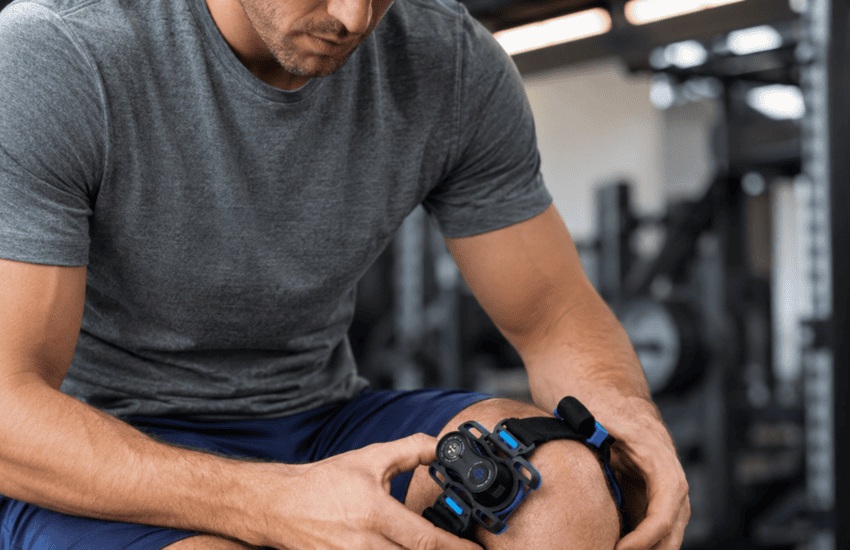
Benefit #1: Improved Muscle & Joint Recovery with Red Light Therapy Panels
Ever finished a tough workout and felt it the moment you tried to move the next day? Red light therapy panels may help make that recovery period a little easier.
Red and near-infrared light may support muscle recovery by helping reduce inflammation and oxidative stress, both of which can contribute to post-workout soreness.
Red light therapy may also support blood flow to tired muscles, helping deliver oxygen and nutrients to areas recovering from exercise. Some people report less delayed onset muscle soreness, or DOMS, after regular sessions, which can make everyday movement more comfortable.
The benefits may extend beyond muscles too. Red and near-infrared light may support recovery in joints, tendons, and ligaments, which often take longer to recover than muscle tissue.
This is one reason athletes often use full-body red light therapy panels. A larger panel can treat several sore areas at once during a 10-15 minute session instead of targeting each area separately.
For people who train regularly, red light therapy can be a practical addition to stretching, rest, ice, and other recovery methods.
Benefit #2: Red Light Therapy Panel for Skin Health & Anti-Aging
Red light therapy may also support healthier-looking skin by stimulating fibroblasts, the cells that produce collagen and elastin.
With regular use, it can help soften the look of fine lines, improve skin tone, and support a brighter, more even complexion. It does this without needles or harsh chemical treatments.
Red light therapy may also support wound healing and help reduce the appearance of scarring. Its anti-inflammatory effects may be useful for skin concerns such as acne and rosacea, while LED face masks for acne offer a more targeted option for breakouts.
It may also help with uneven skin tone and hyperpigmentation, while some people use at-home light therapy for rosacea to help calm visible redness and irritation.
The red light therapy benefits for eczema may go beyond calming flare-ups. Red and near-infrared light may also support cellular activity and skin barrier function, which could help the skin recover and stay healthier over time.
Results aren’t immediate. Most people may start noticing changes after about 8-12 weeks of regular sessions. With consistent use, skin may look calmer, more even, and healthier. In my experience, the changes became noticeable enough that other people started asking what I’d been doing differently.
Benefit #3: Pain Management & Inflammation Reduction via Red Light Therapy Panels
Living with chronic pain can be draining and make everyday movement harder. Red light therapy for pain relief may offer a non-invasive way to manage discomfort, especially for people dealing with joint pain, back pain, or nerve-related symptoms.
Red and near-infrared light may help reduce inflammatory signaling while supporting the body’s natural recovery processes. People dealing with arthritis or sore joints may find treatments such as red light therapy for knee pain helpful for easing stiffness and discomfort.
It may also be useful for persistent back pain. If that’s where most of your discomfort is, an infrared lamp for back pain can target a specific area without requiring a full-body panel.
Red light therapy is also being used for certain types of nerve discomfort, including red light therapy for foot neuropathy. Results can vary, and chronic nerve pain should still be assessed by a healthcare professional.
One reason people use red light therapy for chronic pain is that the effects may build with regular sessions rather than disappearing after a few hours. Some people may find they rely less on pain medication over time, but any changes to medication should always be discussed with a doctor first.
Red light therapy can also be used alongside physical therapy, massage, stretching, and topical pain treatments. It doesn’t need to replace other approaches. Instead, it may support pain management and recovery as part of a broader treatment plan.
Benefit #4: Improve Sleep Quality & Mood with a Red Light Therapy Panel
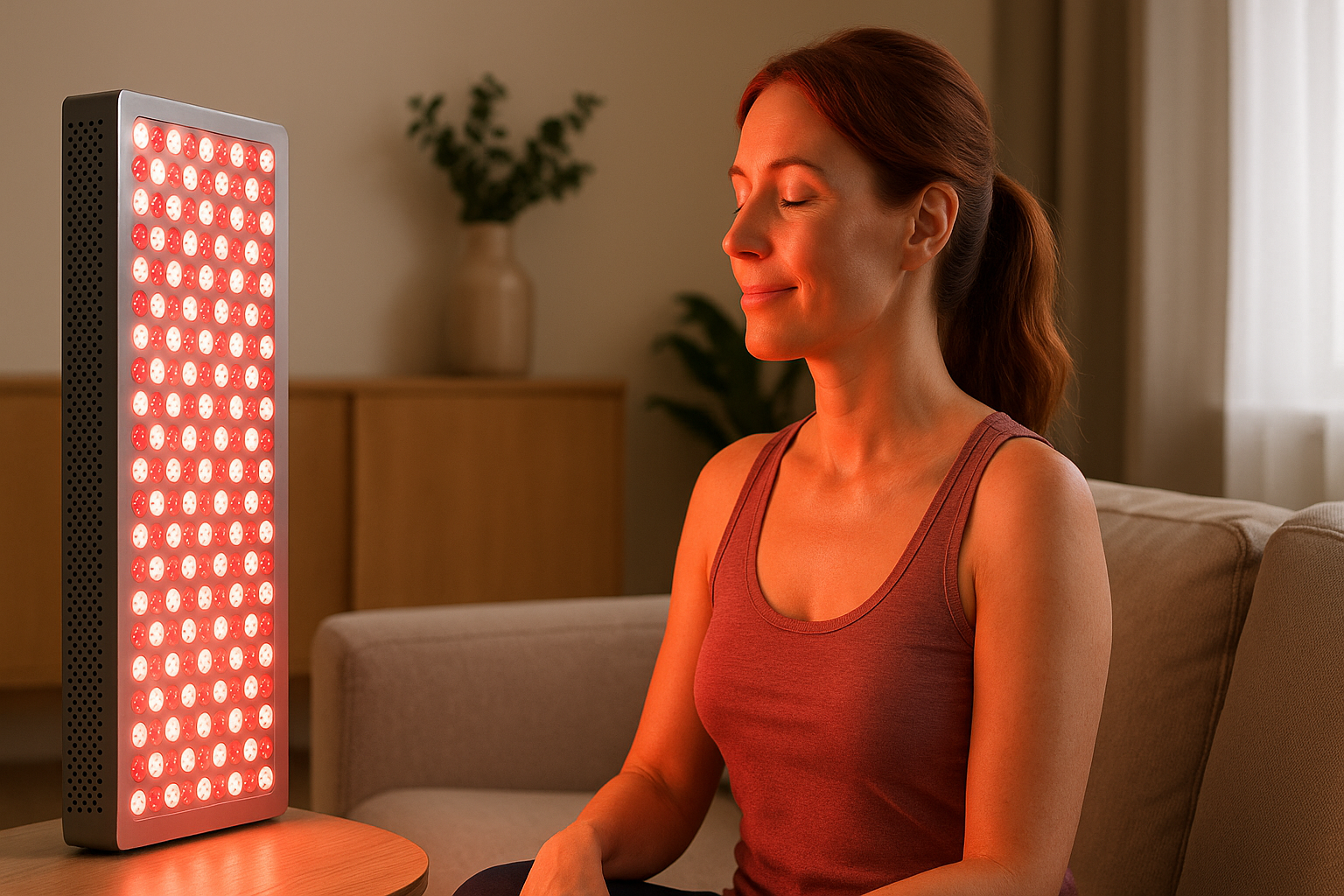
Blue light from phones and screens can make it harder to wind down at night. Red light is different and is often used in the evening because it’s less likely to interfere with your natural sleep signals.
Some people use red light therapy at night as part of a calming bedtime routine. Evening sessions may support healthy melatonin production and make it easier to transition into sleep without relying on supplements.
Timing can matter too. If sleep is your main goal, this guide on the best time to do red light therapy for sleep explains when sessions may fit best. Morning red light sessions are another option for people who prefer using light earlier in the day.
Some users also report feeling calmer or more balanced after regular sessions. Red light therapy isn’t a treatment for depression or seasonal affective disorder, but light exposure may be a useful part of a broader wellness routine during darker months.
There’s also something naturally calming about spending a few quiet minutes away from screens and notifications. A short red light session can give you a built-in pause in the day while supporting your sleep and recovery routine.
How to Choose the Best Red Light Therapy Panel
Not all red light therapy panels are built the same, so it’s worth looking beyond price before choosing one.
Start with panel size. Larger panels cover more of the body at once, which can shorten sessions and make full-body red light therapy easier. A smaller panel may be enough if you mainly want to treat your face, joints, or another specific area. If you’re still deciding what setup suits you, this guide to red light therapy at home covers the main options.
Power density, usually listed as irradiance, is another spec to check. It tells you how much light reaches your body at a given distance. More power doesn’t automatically mean better results, but a stronger panel may allow shorter sessions. Reliable brands usually publish irradiance measurements at several distances so you can see what the device is delivering.
Wavelengths matter too. Many panels combine red light at 630-660nm with near-infrared light at 810-850nm. Red light is commonly used for skin and surface-level concerns, while near-infrared light penetrates deeper and is often used for muscles and joints. This red light therapy wavelength guide explains what the different wavelengths are used for.
Safety and build quality are worth checking as well. Look for clear EMF specifications, relevant safety certifications, straightforward usage instructions, and a warranty that gives you reasonable coverage if something goes wrong.
Taking a few minutes to compare panel size, irradiance, wavelengths, safety information, and warranty terms can help you choose a red light therapy panel that matches how you plan to use it.
Practical Usage Tips to Maximize Your Red Light Therapy Panel Results
Using red light therapy at home is fairly straightforward, but your session length, distance from the panel, and how often you use it can affect your results.
Start with around 5 minutes and gradually work up to 10-20 minutes once you’re comfortable. Many panels are used from about 6-12 inches away, although the recommended distance can vary by device. Always check the manufacturer’s instructions rather than assuming closer is better.
A common schedule is 3-5 sessions a week. This guide on how often to do red light therapy explains how session frequency can vary depending on your goals and the device you’re using.
Timing is flexible too. Some people prefer morning sessions, while others use red light therapy at night as part of their evening routine.
Results can take time. Muscle soreness may improve sooner, while changes in skin or other longer-term goals may take 4-12 weeks of consistent use. If you’re using red light therapy for skin, taking before photos under the same lighting can make gradual changes easier to track.
It’s also worth keeping your panel clean. Wipe it occasionally with a soft cloth and an electronics-safe cleaner, following the manufacturer’s care instructions. Dust and skin oils on the surface can block some of the light, so basic maintenance helps keep the panel clean and ready for regular use.
Conclusion: Recap of the Top Red Light Therapy Panel Benefits
Red light therapy panels aren’t a cure-all, but they may support several goals at once, including muscle recovery, skin health, pain management, and better sleep. They work by exposing the body to red and near-infrared light, which may support normal cellular energy production and recovery.
The biggest factor is choosing a quality device that matches what you want to treat. A smaller panel may be enough for targeted areas, while a larger setup can make full-body red light therapy easier and more convenient.
Everyone’s different, so what works amazingly for your gym buddy might take longer for you – and that’s normal. If you’ve got health conditions or you’re on medications, definitely chat with your doctor first. But for most people, adding red light therapy to their routine is like giving their body a daily high-five at the cellular level. And honestly? We could all use more of those.